

In a world where energy bills can feel like a second mortgage, energy-efficient lighting shines brighter than a supernova. It’s not just about saving a few bucks; it’s about turning your home into a beacon of sustainability. Imagine swapping out those energy-guzzling bulbs for sleek LED lights that sip power like a fine wine instead of chugging it like a frat boy at a keg party.
But wait, there’s more! These modern marvels don’t just save energy; they also last longer than your New Year’s resolutions. With energy-efficient lighting, you’re not just illuminating your space; you’re making a smart investment in your wallet and the planet. So, let’s dive into the luminous world of energy-efficient lighting and discover how to brighten up your life without dimming your finances.
Overview of Energy-Efficient Lighting
Energy-efficient lighting significantly reduces electricity consumption, directly lowering utility costs. LED lighting stands out as a prime example, consuming up to 85% less energy than traditional incandescent bulbs. Unlike older options, LED lights boast a lifespan of around 15,000 to 50,000 hours, diminishing the frequency of replacements and waste.
Various technologies contribute to energy efficiency. Compact fluorescent lamps (CFLs) utilize less energy than incandescent bulbs while providing similar light output. These bulbs typically last up to 10,000 hours, making them an excellent alternative for homes and businesses.
The shift towards energy-efficient lighting supports sustainability initiatives. By reducing energy demand, these technologies decrease greenhouse gas emissions, promoting a healthier environment. Many local and federal programs offer incentives for using energy-efficient products, further enhancing their affordability.
Different styles of energy-efficient lighting exist, catering to various aesthetic preferences and practical needs. Options range from decorative fixtures that enhance visual appeal to functional task lighting perfect for reading or working. Homeowners can also find smart lighting solutions, which adjust brightness based on occupancy or time of day, providing both convenience and energy savings.
Adopting energy-efficient lighting not only benefits individual consumers but also contributes to broader energy conservation goals. In addition to immediate savings, long-term investments in LED and CFL technologies yield substantial economic benefits. The transition to energy-efficient lighting represents a proactive step toward responsible energy usage and sustainable living.
Benefits of Energy-Efficient Lighting
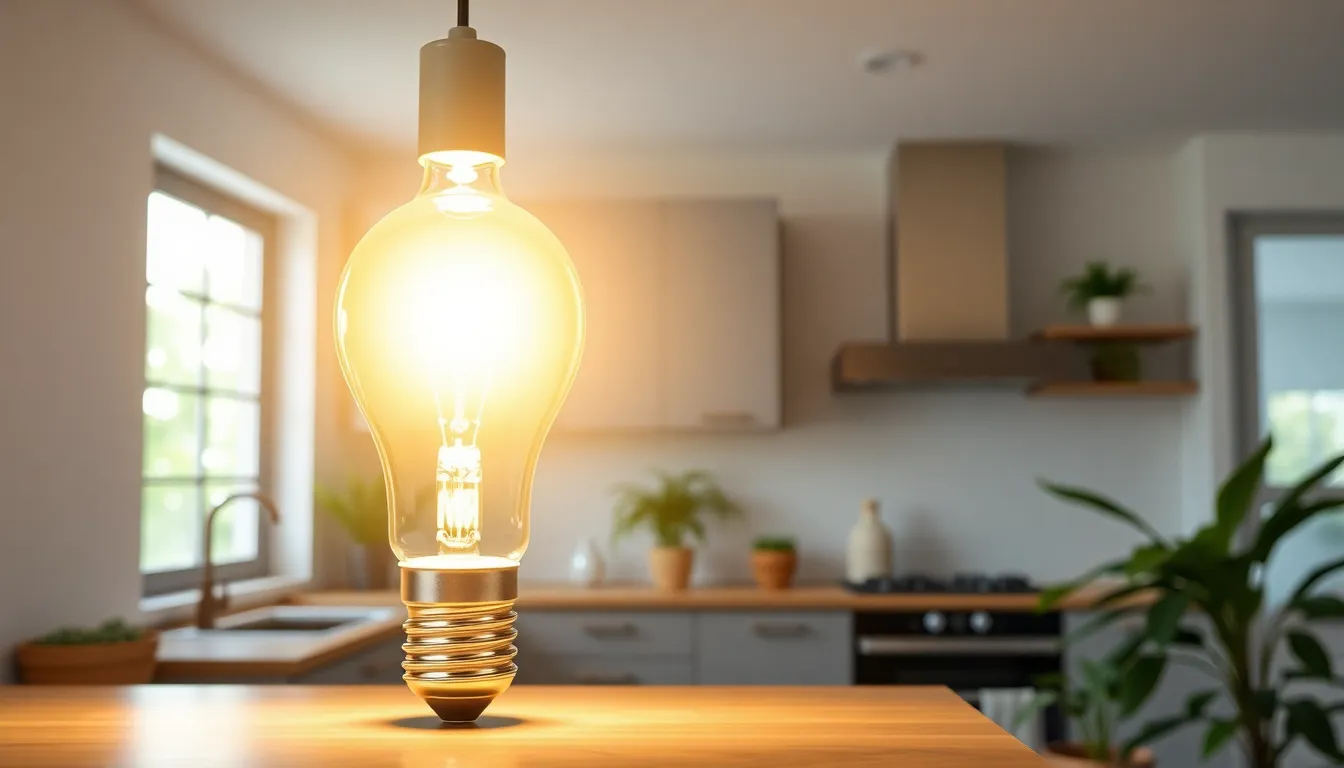
Energy-efficient lighting offers numerous advantages for both households and the environment. Notably, these benefits include significant cost savings and positive impacts on sustainability.
Cost Savings
Energy-efficient lighting significantly lowers energy bills. LED lights consume up to 85% less power compared to traditional incandescent bulbs. Additionally, their lifespan ranges from 15,000 to 50,000 hours, resulting in fewer replacements and reduced maintenance costs. Compact fluorescent lamps (CFLs) also contribute, lasting about 10,000 hours while using less energy. Consumers recognize the long-term savings that energy-efficient options provide, making them an attractive investment for budget-conscious households. Local and federal programs often offer financial incentives, enhancing affordability for those making the switch.
Environmental Impact
Energy-efficient lighting plays a crucial role in reducing greenhouse gas emissions. By using less electricity, these lighting solutions help decrease the demand on power plants. This reduction leads to a significant decrease in fossil fuel consumption. Moreover, adopting energy-efficient technologies supports sustainability initiatives aimed at conserving natural resources. Energy-efficient lighting promotes proactive energy usage, encouraging responsible consumption habits among individuals. As communities adopt these practices, they contribute to broader energy conservation goals, fostering a cleaner environment for future generations.
Types of Energy-Efficient Lighting
Energy-efficient lighting options significantly reduce energy consumption and create sustainable environments. Various types include LED, CFL, and halogen lighting, each offering distinct advantages.
LED Lighting
LED lights consume up to 85% less energy than traditional incandescent bulbs. Lifespans range from 15,000 to 50,000 hours, which reduces replacement frequency. These lights come in various styles, suitable for diverse aesthetics. Quick response times improve functionality and ambiance. Additionally, LED lighting generates less heat, contributing to reduced cooling costs. Many models are compatible with smart technology, allowing for automation and energy control.
CFL Lighting
Compact fluorescent lamps (CFLs) also enhance energy efficiency, using about 70% less energy than incandescent bulbs. Each bulb lasts approximately 10,000 hours, which contributes to less frequent replacements. CFLs provide soft, warm light, making them ideal for living spaces. Furthermore, these bulbs are available in a range of color temperatures to fit different preferences. While they contain a small amount of mercury, proper disposal methods exist. Local programs often incentivize CFL adoption, making them accessible choices for consumers.
Halogen Lighting
Halogen bulbs serve as an energy-efficient option within the incandescent category, consuming around 30% less energy. These bulbs last about 2,000 hours, which is an improvement over traditional incandescent options. Halogens produce bright, crisp light, suitable for task-oriented areas. Their efficiency stems from a cycle that reflects light back into the filament. Furthermore, halogen lights operate at higher temperatures, providing better color rendering. Despite their advantages, replacements happen more often than with LED or CFL lighting.
Tips for Choosing Energy-Efficient Lighting
Selecting the right energy-efficient lighting involves considering various factors to maximize benefits.
Assessing Your Needs
Identify the purpose of each lighting area. Some spaces require bright, focused light, while others may benefit from softer illumination. Evaluate the size of the room to determine how many fixtures or bulbs will provide adequate coverage. Focus on specific tasks, such as reading or cooking, which may need different light levels. Consider your design preferences, creating a balance between aesthetics and functionality to enhance your living spaces.
Understanding Energy Ratings
Energy rating labels offer crucial information about lighting efficiency. Look for bulbs with the ENERGY STAR label, indicating they meet strict energy efficiency standards. Check lumens, which measure brightness; higher lumens indicate a brighter light while using less energy. Assess the wattage; lower watts usually correspond to greater energy efficiency. Many newer products provide both energy consumption data and lifetime expectations, simplifying the decision-making process.
Embracing energy-efficient lighting is a powerful way to enhance both home comfort and sustainability. By making the switch to LED or CFL options, individuals can significantly reduce energy consumption while enjoying longer-lasting illumination. This choice not only leads to lower utility bills but also supports environmental efforts by decreasing reliance on fossil fuels.
With a variety of styles and technologies available, finding the perfect lighting solution to fit any aesthetic is easier than ever. Taking advantage of available incentives can make this smart investment even more accessible. Ultimately, adopting energy-efficient lighting is a step toward a brighter future for both households and the planet.