

In a world where “going green” isn’t just a catchy phrase but a lifestyle choice, it’s time to embrace the eco-friendly revolution. Imagine sipping your morning coffee from a reusable cup while patting yourself on the back for saving the planet, one sip at a time. Who knew being a superhero for Mother Earth could be this easy and, dare we say, stylish?
Understanding Green Lifestyle Changes
Adopting green lifestyle changes involves making choices that positively impact the environment. These actions range from small daily habits to significant lifestyle overhauls. Individuals can start by reducing plastic use and opting for reusable bags and containers. Transitioning to energy-efficient appliances serves both ecological and economic interests by lowering utility bills.
Composting organic waste provides an excellent opportunity to reduce landfill contributions. The practice enriches soil and minimizes methane emissions from decomposing waste. Switching to a plant-based diet offers another significant benefit. Studies indicate that reducing meat consumption can lower an individual’s carbon footprint substantially.
Incorporating public transportation into daily commutes reduces reliance on personal vehicles. This shift leads to decreased fuel consumption and lower greenhouse gas emissions. Choosing local and seasonal products supports local economies while minimizing transportation emissions.
Investing in sustainable products also plays a critical role. Eco-friendly materials create less waste and support manufacturers committed to environmental principles. Engaging in community initiatives like tree planting or clean-up events fosters local connections while contributing to a healthier planet.
Every green lifestyle change, no matter how small, contributes to an overall positive impact. Embracing these changes enables individuals to participate in a collective effort towards sustainability. Understanding the interconnectedness of actions can lead to larger systemic changes in consumption patterns and environmental awareness.
Benefits of Adopting a Green Lifestyle
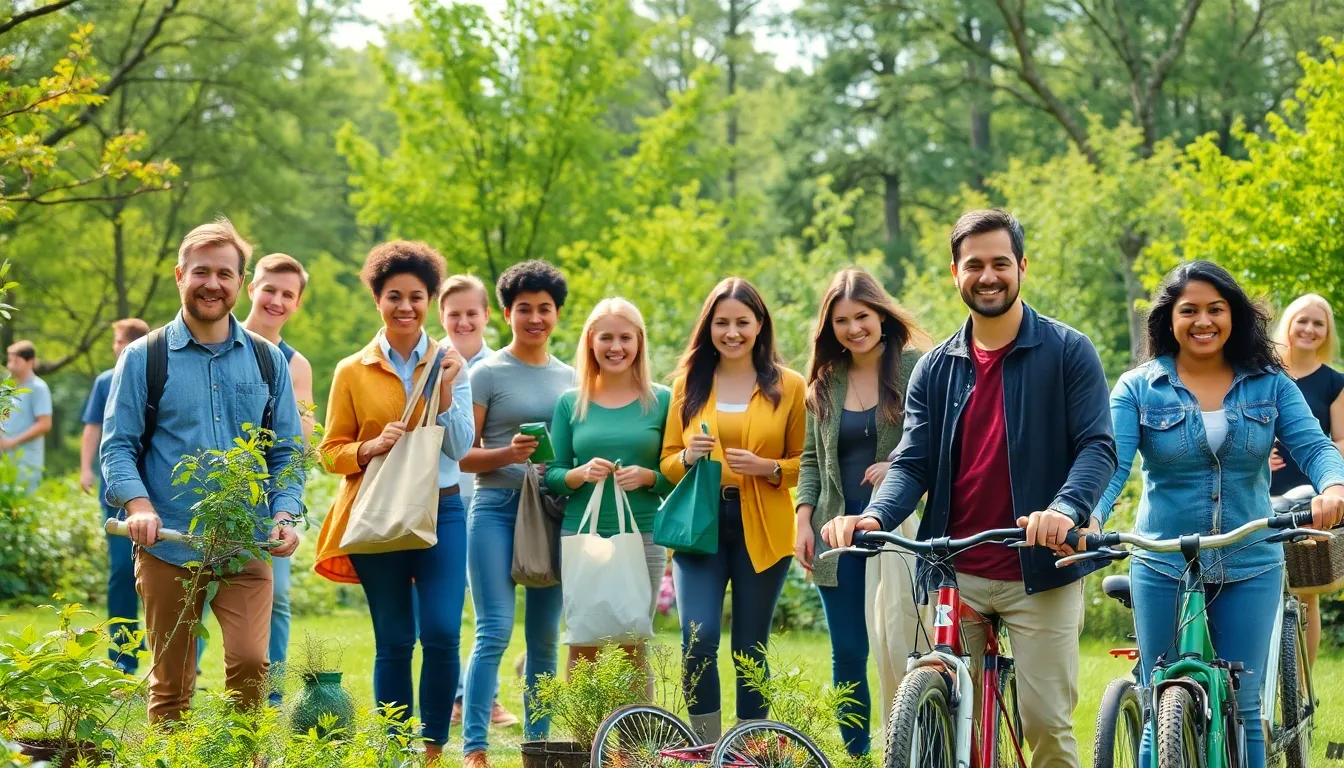

Adopting a green lifestyle brings numerous advantages. Individuals commit not only to personal health but also to the health of the environment.
Environmental Impact
Choosing sustainable practices can significantly reduce one’s carbon footprint. For instance, transitioning to renewable energy sources often cuts greenhouse gas emissions drastically. Embracing composting reduces organic waste and lowers methane production. Opting for public transportation curtails reliance on fossil fuels, leading to cleaner air. Supporting local farmers decreases transportation emissions and boosts the local economy. Every small change contributes to a broader movement toward environmental sustainability.
Health Benefits
Adopting a green lifestyle fosters better health and well-being. Individuals who consume plant-based diets often experience lower risks of chronic diseases. Fresh, organic produce contains fewer harmful pesticides, promoting better overall health. Creating a cleaner environment can lead to reduced allergies and respiratory issues. Engaging in outdoor activities has physical and mental health benefits, enhancing mood and reducing stress. Each of these aspects comes together to create a healthier lifestyle, reinforcing the importance of green living.
Practical Green Lifestyle Changes
Implementing practical green lifestyle changes can enhance personal well-being and environmental health. Consider integrating these sustainable habits into daily routines.
Sustainable Eating Habits
Adopting sustainable eating habits plays a crucial role in reducing one’s carbon footprint. Choosing plant-based foods supports lower greenhouse gas emissions and promotes better health. Incorporating local and seasonal produce not only benefits the environment but also boosts local economies. Meal planning helps minimize food waste while ensuring balanced nutrition. Replacing processed snacks with whole foods like fruits and vegetables encourages healthier choices. Intentionally supporting organic farming practices leads to reduced pesticide use and improved soil quality.
Reducing Waste
Reducing waste requires mindful decisions at home and in the community. Using reusable bags, containers, and water bottles significantly cuts down on plastic consumption. Embracing a zero-waste lifestyle encourages individuals to recycle, compost, and repurpose items creatively. Opting for products with minimal packaging further contributes to waste reduction efforts. Organizing community clean-up events fosters cooperation to keep public spaces clean and enjoyable. Educating others about the importance of waste reduction promotes a culture of sustainability.
Energy Conservation
Energy conservation remains fundamental in combating climate change. Switching to energy-efficient appliances lowers electricity consumption and reduces utility bills. Using LED light bulbs instead of traditional bulbs saves energy and lasts longer. Setting thermostats to moderate temperatures limits energy use for heating and cooling. Unplugging devices when not in use prevents unnecessary energy draw from electronics. Utilizing natural light and ventilation creates a more pleasant living environment while saving energy.
Challenges in Implementing Green Changes
Adopting green lifestyle changes presents challenges that can deter individuals from fully committing to eco-friendly practices.
Cost Concerns
Costs often deter people from making green changes. Eco-friendly products sometimes carry a higher upfront price than their conventional counterparts. For example, energy-efficient appliances may have a higher initial investment but can lead to substantial savings over time through reduced utility bills. Organic foods also tend to be pricier than conventionally grown options, making it difficult for some to justify the expense. It’s crucial to note that purchasing sustainable goods can yield long-term savings if managed wisely. Many also find that the costs of commuting sustainably or sourcing local produce add up, complicating budget considerations further.
Accessibility Issues
Accessibility remains an obstacle in adopting sustainable practices. Some communities lack resources for accessing fresh, organic produce locally. Public transportation systems may not always connect conveniently, making it harder for individuals to choose greener commuting methods. Sustainable products may not be readily available in all regions, limiting options for eco-friendly purchases. Those living in food deserts experience difficulties in accessing fresh foods, leaving them with few alternatives to processed items. Urban centers often provide more sustainable solutions, while rural areas may struggle with limited access, demonstrating a clear disparity in available resources.