
Table of Contents
ToggleImagine a world where eating healthy doesn’t mean sacrificing flavor. Enter the vibrant realm of Greek cuisine, where fresh ingredients and bold flavors dance together in perfect harmony. From zesty salads to hearty stews, Greek recipes are not just a feast for the eyes but also a delight for the taste buds.
Overview of Healthy Greek Recipes
Healthy Greek recipes emphasize the use of fresh, wholesome ingredients. Many traditional dishes include vegetables, whole grains, and lean proteins. Flavorful olive oil features prominently, contributing healthful fats that support heart health. The Mediterranean diet influences these recipes, recognized for its benefits, including reduced risk of chronic diseases.
Salads, such as Greek salad, provide a vibrant mix of tomatoes, cucumbers, and olives, all rich in nutrients. Grilled meats and seafood appear frequently, offering protein without excessive calories, while herbs like oregano enhance flavors naturally. Legumes, such as chickpeas and lentils, serve as excellent sources of protein and fiber, fundamental in numerous Greek dishes.
Many Greek recipes focus on simplicity, allowing the natural flavors of ingredients to shine. Dishes like moussaka or stuffed peppers combine vegetables with grains and proteins, creating satisfying meals. The balance of flavors and textures engages the palate, making healthy eating enjoyable.
Baking and roasting methods ensure dishes remain low in unhealthy fats. Traditional sweets often rely on honey as a natural sweetener, reducing the need for refined sugars. These techniques contribute to the overall health profile of Greek cuisine, proving that nutrition does not sacrifice taste.
Exploring healthy Greek recipes opens the door to diverse culinary experiences. Options include vegetarian choices and dish variations to accommodate dietary preferences. This cuisine highlights the importance of fresh ingredients, cultural heritage, and the philosophy that healthy eating can be delicious and fulfilling.
Nutritional Benefits of Greek Cuisine
Greek cuisine offers numerous nutritional benefits, thanks to its emphasis on fresh, wholesome ingredients. This approach results in flavorful dishes that promote health and well-being.
Fresh Ingredients
Fresh ingredients are at the heart of Greek cooking. Vegetables like tomatoes, cucumbers, and peppers provide essential vitamins and minerals. Whole grains such as brown rice and bulgur contribute fiber and energy. Lean proteins from grilled fish and legumes like chickpeas deliver vital nutrients. Olive oil, used abundantly in Greek recipes, features monounsaturated fats that support heart health. Herbs like oregano and parsley not only enhance flavor but also offer antioxidants. These elements combine to create balanced meals that nourish the body.
Mediterranean Diet Principles
Mediterranean diet principles underscore the health benefits of Greek cuisine. This diet focuses on plant-based foods, including fruits, vegetables, whole grains, and legumes. Regular consumption of healthy fats, especially from olive oil, is encouraged for reduced heart disease risk. Minimal processing of food ensures nutrient retention and avoids unhealthy additives. The integration of lean proteins, such as fish and poultry, provides essential amino acids. Additionally, this diet promotes enjoying meals in moderation and engaging in physical activity, leading to overall lifestyle improvements and long-term wellness.
Popular Healthy Greek Recipes
Greek cuisine offers a variety of healthy recipes that showcase fresh, wholesome ingredients. These dishes combine flavor and nutrition for satisfying meals.
Greek Salad Variations
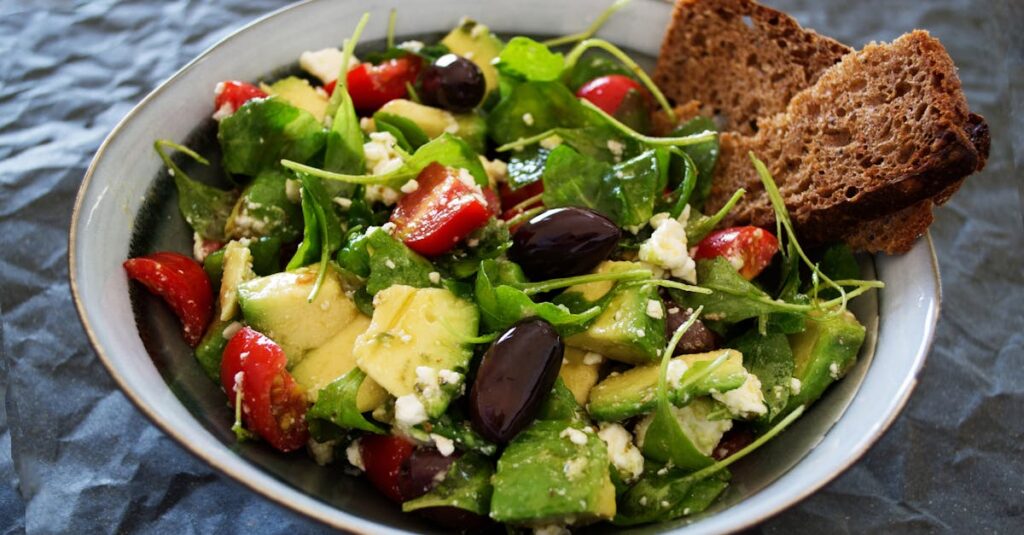
Greek salad features essential ingredients like tomatoes, cucumbers, and bell peppers. Many variations include feta cheese, olives, and herbs for added flavor. Some people add ingredients like avocado or quinoa for extra nutrition. Combining different vegetables enhances the nutrient profile while maintaining vibrant colors. Customizing dressings with olive oil and lemon juice keeps it light and healthy. Variabilities in seasoning and additional toppings allow for personal preferences while preserving the dish’s essence.
Traditional Dishes Made Healthy
Moussaka consistently ranks as a beloved Greek dish, with eggplant layered with ground meat and béchamel sauce. Making it healthier involves substituting lean ground turkey or chicken and using Greek yogurt instead of traditional béchamel. Stuffed peppers often include rice, vegetables, and meat, and opting for brown rice boosts fiber content. Baking instead of frying maintains flavor without unhealthy fats. Incorporating lentils or chickpeas in various dishes provides plant-based protein. By tweaking familiar recipes, one can enjoy traditional flavors with modern healthy options.
Tips for Cooking Healthy Greek Food
Healthy Greek cooking relies on fresh ingredients and beneficial cooking methods. These tips enhance the nutritional value while preserving traditional flavors.
Ingredient Substitutions
Consider using Greek yogurt instead of sour cream for dishes like tzatziki. Greek yogurt adds creaminess and probiotics with fewer calories. For a lighter alternative to feta cheese, crumbled goat cheese excels in salads and can reduce sodium content. Quinoa serves as a nutritious substitute for rice in stuffed peppers, offering added protein and fiber. Olive oil remains the go-to fat for cooking, but avocado oil can provide a similar flavor profile with a higher smoke point. Choose whole grain bread over white varieties to increase the fiber content of Greek sandwiches. By integrating these substitutions, one can enhance the healthfulness of beloved Greek recipes.
Cooking Techniques
Opt for grilling instead of frying for meats to cut excess fats and retain natural flavors. Baking moussaka with thin layers of eggplant and lean ground meat reduces calorie density while preserving taste. Steaming or roasting vegetables like zucchini and bell peppers brightens colors and flavors without added fats. Using fresh herbs rather than heavy sauces brings aromatic depth to dishes. Slow cooking legumes like lentils not only infuses flavors but also ensures a tender texture. Embrace these techniques, as they allow traditional Greek cuisine to shine with a modern, health-conscious twist.
Healthy Greek recipes offer a delightful journey into a world of fresh flavors and nutritious ingredients. By embracing the principles of the Mediterranean diet, individuals can enjoy meals that not only satisfy the palate but also support overall well-being. The versatility of Greek cuisine allows for endless adaptations, ensuring there’s something for everyone, regardless of dietary preferences.
With simple cooking techniques and ingredient substitutions, traditional dishes can be transformed into healthful options without sacrificing taste. This approach encourages creativity in the kitchen, making healthy eating an enjoyable and fulfilling experience. By incorporating these delicious recipes into daily meals, one can savor the essence of Greek cuisine while promoting a healthier lifestyle.