

In a world where “going green” isn’t just a trend but a necessity, clean technology is the superhero we didn’t know we needed. It swoops in to save the planet while making our lives easier and, let’s be honest, a bit cooler. Imagine harnessing the power of the sun or turning waste into energy—sounds like something out of a sci-fi movie, right? But it’s happening right now!
Clean tech isn’t just about saving the environment; it’s about innovation that fuels the economy and creates jobs. From solar panels that double as art to electric cars that can outpace a cheetah, this industry is transforming the way we think about energy and sustainability. So buckle up as we dive into the exciting world of clean technology and discover how it’s paving the way for a brighter, greener future.
Overview of Clean Technology
Clean technology encompasses a range of solutions designed to address environmental challenges while promoting sustainability. Renewable energy sources, such as solar and wind power, lead the way in reducing dependence on fossil fuels. Energy efficiency improvements in buildings, appliances, and transportation systems also play a vital role in minimizing carbon footprints.
Advanced technologies contribute significantly to waste management. For instance, processes that convert organic waste into bioenergy aid in reducing landfill contributions and promoting circular economies. Electric vehicles offer a cleaner alternative to traditional gasoline-powered cars, significantly lowering greenhouse gas emissions.
Water purification technologies enhance the quality of drinking water, making it safer and more accessible. Smart grids optimize energy distribution, allowing for better integration of renewable sources into everyday use. This interconnectedness ensures energy is used more efficiently and sustainably.
Job creation in clean technology sectors stands out. Roles in manufacturing, installation, and maintenance of renewable energy systems foster economic growth while supporting environmental goals. Research and development initiatives aim to explore new clean technologies and enhance existing solutions, ensuring ongoing progress.
Investment trends indicate a growing focus on clean tech. Venture capital funds and government grants increasingly support innovative startups dedicated to developing sustainable technologies. Awareness of climate change fuels demand for environmental solutions, driving further advancements in clean technology.
Clean technology represents a multifaceted approach to addressing environmental issues. Its innovative solutions reshape the energy landscape and promote sustainability while generating economic opportunities across various sectors.
Types of Clean Technology
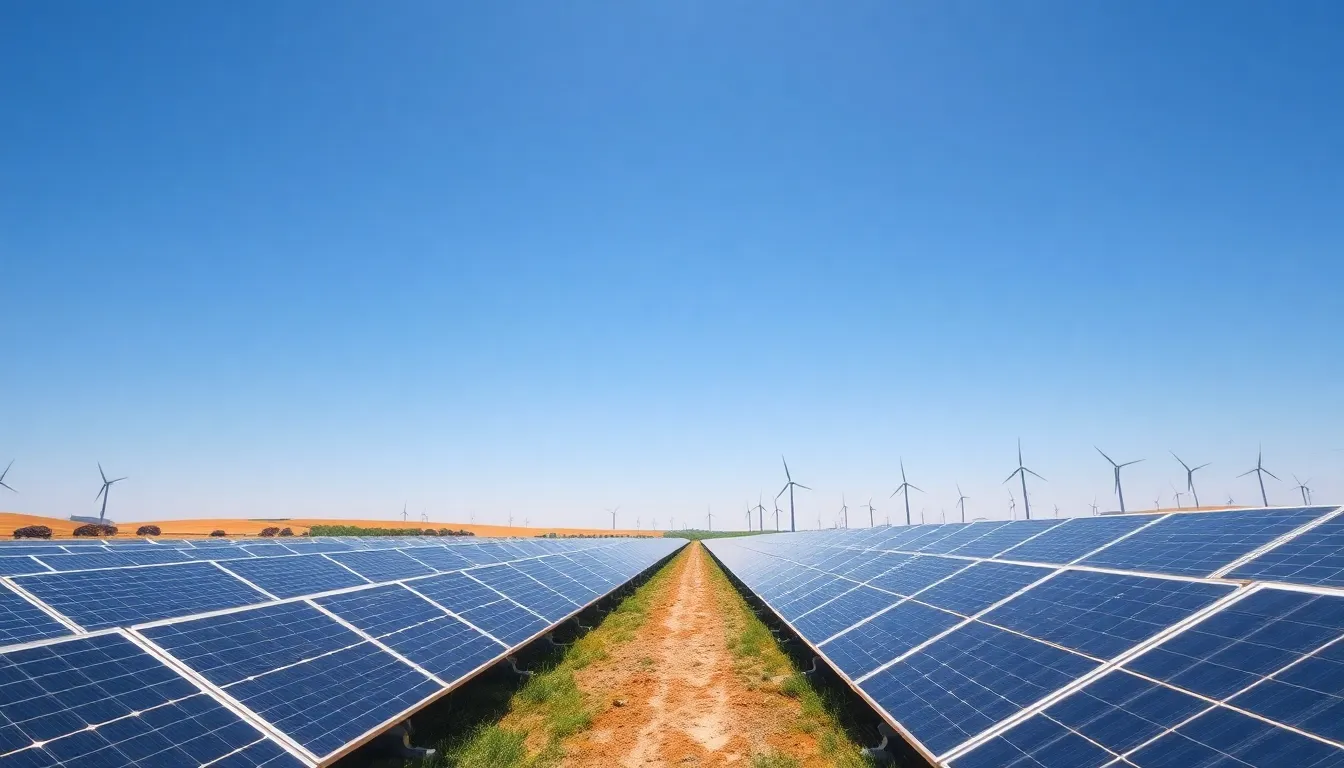
Clean technology encompasses various innovative solutions aimed at promoting sustainability and addressing environmental challenges. Key categories include renewable energy solutions, energy efficiency innovations, and waste management technologies.
Renewable Energy Solutions
Solar power represents a major segment of renewable energy solutions. This technology harnesses sunlight, converting it into electricity and reducing reliance on fossil fuels. Wind energy also contributes significantly, capturing wind energy through turbines to generate clean electricity. Geothermal energy utilizes heat from the Earth’s core, providing a consistent and reliable energy source. Hydropower, derived from moving water, creates substantial electricity with minimal emissions. Collectively, these renewable energy solutions advance efforts to lower greenhouse gas emissions and foster a sustainable energy landscape.
Energy Efficiency Innovations
Energy efficiency innovations focus on reducing energy consumption across various sectors. Smart buildings incorporate advanced sensors and automation systems, optimizing energy usage based on real-time data. LED lighting significantly cuts energy use compared to traditional bulbs, delivering substantial savings over time. High-efficiency appliances consume less power while maintaining performance levels, benefiting both consumers and the environment. Transportation improvements, such as electric and hybrid vehicles, enhance fuel efficiency and decrease overall greenhouse gas emissions. These innovations promote sustainability and help transition toward a cleaner energy future.
Waste Management Technologies
Waste management technologies transform waste into valuable resources. Anaerobic digestion, for instance, breaks down organic waste, producing biogas that can be used for energy. Recycling systems enhance material recovery, reducing landfill waste and conserving resources. Advanced composting techniques convert food scraps into nutrient-rich compost, benefiting soil health. Waste-to-energy facilities generate electricity from incinerating waste, minimizing the volume of waste sent to landfills. Each of these technologies contributes to a circular economy, where waste is reused and natural resources are preserved.
Benefits of Clean Technology
Clean technology provides significant advantages across various sectors, making it essential for a sustainable future.
Environmental Impact
Clean technology plays a vital role in reducing environmental degradation. By harnessing renewable energy sources like solar and wind, greenhouse gas emissions decline substantially. Increased energy efficiency in buildings and transportation leads to lower energy consumption, helping to mitigate climate change. Advanced waste management solutions, such as recycling and waste-to-energy processes, contribute to a circular economy by reducing landfill waste. Technologies improving water purification ensure safer drinking water and healthy ecosystems. Clean technologies collectively promote biodiversity and preserve natural resources, nurturing a healthier planet.
Economic Advantages
The economic benefits of clean technology are impressive. Job creation in clean energy sectors includes roles in manufacturing and installation, boosting local economies. Renewable energy investments attract venture capital and government grants, fostering innovation and entrepreneurship. Clean technologies enhance energy independence, reducing reliance on imported fossil fuels and improving energy security. Increased efficiency translates to lower utility bills for consumers and businesses, which stimulates spending in other areas.
Overall, clean technology not only addresses environmental challenges but also promotes economic growth and stability.
Challenges in Clean Technology Adoption
Clean technology faces several challenges that can hinder its widespread adoption. Understanding these obstacles is essential for advancing sustainable solutions.
Financial Barriers
High upfront costs often deter investment in clean technology solutions. Many businesses and consumers hesitate to adopt these technologies due to the initial financial outlay required. Continued reliance on traditional energy sources further complicates the transition, as established systems may seem more economical in the short term. Lack of adequate funding options limits access to crucial financial support for startups and innovators in the sector. Government incentives play a significant role in mitigating these costs, yet inconsistent policies create uncertainty around long-term viability. Clear and stable financing models could address these financial barriers effectively.
Technological Limitations
Existing clean technologies sometimes lack the efficiency needed for widespread implementation. Many innovations remain in developmental stages, unable to scale effectively for mass use. Performance issues associated with renewable energy sources can reduce output reliability, especially in regions with inconsistent weather patterns. Additionally, integration of clean technologies into current infrastructures faces compatibility challenges. Knowledge gaps in operational management hinder effective deployment, while maintenance demands may overwhelm less experienced operators. Addressing these technological limitations is crucial to unlocking clean technology’s full potential.
Future of Clean Technology
The future of clean technology looks promising, driven by innovation and a collective focus on sustainability.
Emerging Trends
Innovations in battery technology enhance energy storage capabilities. Smart grid advancements optimize energy distribution, increasing efficiency. Companies focus on developing carbon capture and storage techniques to reduce emissions from industries. Growth in the hydrogen economy highlights its potential as a clean fuel source. Electric vehicle adoption accelerates, with improvements in charging infrastructure supporting widespread use. Biodegradable materials gain popularity, offering alternatives to traditional plastics. These trends signal a vital transition toward a sustainable future.
Policy and Regulatory Implications
Government policies play a crucial role in shaping the clean technology landscape. Supportive regulations incentivize investment in renewable energy projects. Tax credits and subsidies encourage the adoption of energy-efficient products and technologies. Stricter emissions regulations compel industries to innovate and invest in cleaner solutions. International agreements, like the Paris Agreement, motivate countries to pursue ambitious sustainability goals. Collaborative approaches between governments and businesses strengthen commitment to clean technology development. These policy frameworks drive the transition toward sustainable practices and enhance economic growth.
Clean technology stands at the forefront of the movement toward a sustainable future. Its innovative solutions not only address pressing environmental challenges but also foster economic growth and job creation. As advancements continue to emerge in renewable energy, energy efficiency, and waste management, the potential for a greener economy becomes increasingly tangible.
The commitment to clean technology is vital for enhancing energy independence and reducing environmental degradation. With supportive government policies and a focus on collaboration, the transition to sustainable practices is gaining momentum. Embracing clean technology is not just beneficial; it’s essential for ensuring a healthier planet for future generations.