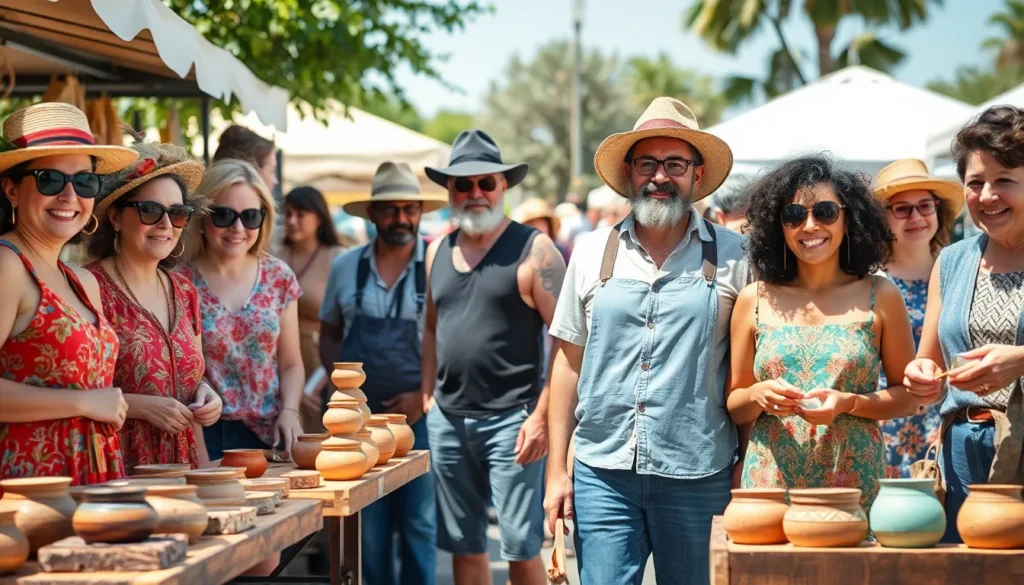

In a world where convenience often trumps quality, “Consciously Crafted” stands as a beacon of hope for those who crave authenticity. It’s not just about what you buy; it’s about how it’s made. Imagine sipping your morning coffee knowing it was brewed from beans lovingly grown by farmers who care. That’s the magic of conscious crafting—where every detail is intentional, and every product tells a story.
From handmade goods to sustainably sourced materials, conscious crafting elevates everyday items into treasures. It’s like finding a unicorn in a sea of plastic flamingos. So, if you’re tired of the cookie-cutter, mass-produced nonsense that clutters your life, it’s time to embrace the beautifully unique world of consciously crafted creations. Dive in and discover how these thoughtful choices can transform not just your home but also the planet.
Overview of Consciously Crafted
Consciously crafted items prioritize authenticity and intentionality. These products emerge from individuals who value craftsmanship, choosing to create goods that reflect their dedication. For instance, coffee made from beans cultivated by committed farmers illustrates this commitment clearly.
Handmade goods embody unique qualities that mass-produced alternatives lack. Each piece often tells a story, connecting consumers to the artisans and cultures behind the work. Sustainable sourcing plays a vital role in this movement, with materials that respect the environment and promote ethical practices.
Emphasizing unique alternatives fosters a deeper appreciation for the lives of creators. Products like handwoven textiles and artisanal pottery demonstrate this connection and evoke a sense of belonging. The focus on conscious crafting invites individuals to reconsider their purchasing habits, leading them to choose items that resonate personally.
Transforming everyday experiences occurs when individuals embrace locally made goods. Such choices can enhance emotional satisfaction and minimize environmental impact. A shift towards consciously crafted products encourages sustainability, supporting communities and reducing reliance on mass market goods.
By choosing intentionally crafted items, consumers gain more than just products; they acquire stories, histories, and commitment to quality. Engaging with consciously crafted goods cultivates a lifestyle rooted in mindfulness, contributing to both personal fulfillment and a healthier planet.
Importance of Sustainable Practices
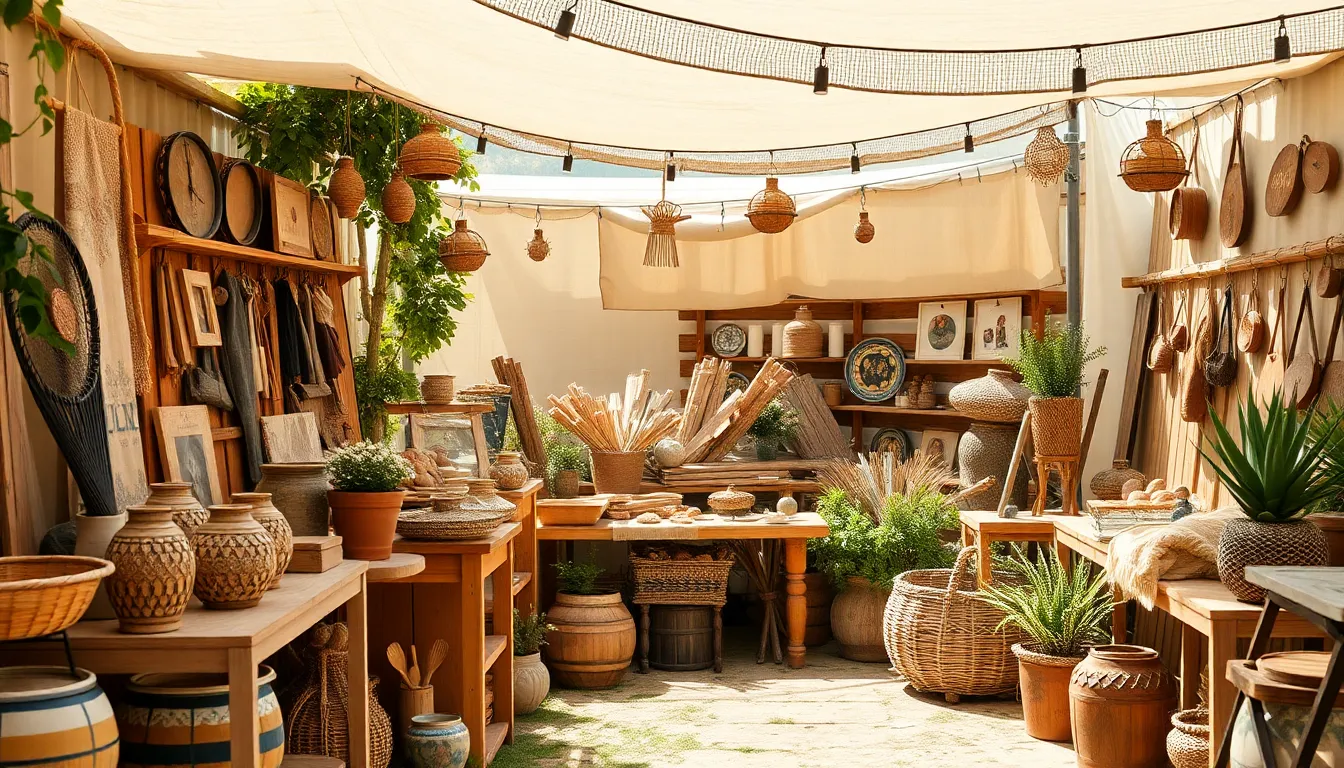
Sustainable practices play a crucial role in conscious crafting. These methods not only foster care for the environment but also support ethical consumption.
Environmental Impact
Selecting sustainably made products significantly reduces waste. Manufacturing processes that prioritize eco-friendly materials minimize pollution and conserve resources. By choosing items with a low carbon footprint, consumers directly contribute to reducing greenhouse gas emissions. Sustainable practices often involve using renewable resources, which helps preserve natural ecosystems. Engaging in conscious shopping habits encourages brands to adopt greener practices. Results show that each mindful purchase reinforces the demand for environmentally responsible options.
Social Responsibility
Social responsibility is central to the ethos of conscious crafting. Ethical sourcing ensures that artisans receive fair wages, promoting economic stability in their communities. Supporting local craftspeople fosters a sense of connection and cultural appreciation. When consumers choose handcrafted goods, they help empower marginalized groups and stimulate local economies. This commitment to social equity creates opportunities for artisans to thrive. Reflecting on the impact of individual purchases cultivates a more compassionate consumer culture focused on community well-being.
Key Features of Consciously Crafted Products
Consciously crafted products prioritize quality and ethical considerations. These features create meaningful connections between the items and their consumers.
Quality and Durability
Craftsmanship stands at the forefront of consciously crafted items. Each piece reflects meticulous attention to detail, often resulting in unique qualities. Artisans typically use high-quality materials that enhance longevity. Handmade products resist wear and tear better than mass-produced options. Many consumers find that investing in these crafted items ultimately saves money, as they require fewer replacements over time. Durability contributes to reduced waste, promoting a sustainable lifestyle.
Ethical Sourcing
Ethical sourcing remains critical in the production of consciously crafted goods. Artisans ensure fair wages and equitable working conditions for all individuals involved. This practice nurtures economic stability within local communities. Many consciously crafted products come from sustainable materials, minimizing environmental impact. Consumers support these values by choosing items that respect both people and the planet. Fair trade practices not only help artisans thrive but also foster a deeper appreciation for cultural heritage. Engaging with ethically sourced products encourages a more responsible consumer landscape.
Brands Leading the Way
Leading brands exemplify the principles of conscious crafting, showcasing dedication to sustainability and social responsibility.
Case Study: Brand A
Brand A prioritizes ethically sourced materials, ensuring their products reflect a commitment to environmental health. Their artisan partnerships foster economic stability, empowering local communities. With each purchase, consumers support fair wages for artisans, enhancing their livelihoods. Brand A emphasizes transparency in its supply chain, sharing stories of the artisans behind each product. Customers appreciate the unique craftsmanship found in every item, making them not just consumers but advocates for change.
Case Study: Brand B
Brand B stands out for its innovative approaches to sustainability. This brand uses recycled materials in production, drastically reducing environmental impact. By collaborating with nonprofits, Brand B contributes a portion of sales to community initiatives, addressing social issues. Quality remains paramount, as products are designed to last, minimizing waste. Engaging storytelling around their craft connects consumers directly to the artisans, fostering a deeper appreciation for the work involved.
Consumer Benefits of Choosing Consciously Crafted
Choosing consciously crafted products offers various benefits that enhance the consumer experience. Authenticity resonates deeply, as handmade goods provide a personal touch often missing in mass-produced items. Unique qualities in these products tell stories, connecting consumers to the artisans who created them.
Sustainability plays a crucial role in conscientious choices. Products made from sustainably sourced materials reflect a commitment to the environment, helping to reduce waste and pollution. Consumers contribute to a healthier planet by selecting items that respect natural resources and ethical practices.
Supporting artisans ensures fair wages, which bolsters economic stability for local communities. Empowerment grows as consumers strengthen cultural appreciation through their purchases. Genuine support for local craftspeople stimulates local economies, creating a robust network of artisans.
Quality and durability stand out in consciously crafted products. Each item showcases meticulous craftsmanship, resulting in longevity that saves money in the long run. Consumers enjoy the dual benefits of responsibility and practicality, reducing the need for frequent replacements.
Brand integrity matters in this movement. Well-regarded brands emphasize ethical sourcing and sustainability, cultivating trust among consumers. Transparency in supply chains solidifies relationships, reinforcing the values of conscious crafting.
When individuals reflect on their purchasing decisions, they cultivate a compassionate consumer culture. Prioritizing community well-being and environmental sustainability leads to fulfilling lifestyles. Consumers embrace not just products but meaningful stories that reflect their values and commitments.
Embracing consciously crafted products enriches lives and fosters a deeper connection to the world around us. By prioritizing authenticity and intentionality consumers not only support artisans but also contribute to a sustainable future. Each purchase becomes a meaningful choice that reflects values of quality and social responsibility.
Choosing handmade and sustainably sourced items promotes economic stability and cultural appreciation. This shift away from mass production creates a more compassionate consumer culture that values people and the planet. Ultimately these choices lead to a lifestyle that champions mindfulness and personal fulfillment, making a lasting impact on both individual lives and the broader community.