
Table of Contents
ToggleDitching the meat doesn’t mean sacrificing flavor or satisfaction. In fact, it opens up a world of vibrant, nutritious ingredients that can help shed those stubborn pounds. Healthy vegetarian recipes for weight loss are not just a trend; they’re a delicious way to fuel the body while keeping the waistline in check. Who knew that kale could be a superhero in disguise?
Healthy Vegetarian Recipes for Weight Loss
Vegetarian dishes offer flavorful and satisfying options for weight loss. Plenty of vegetables serve as the foundation for these meals, providing essential nutrients while keeping calorie counts low.
- Quinoa Salad: Quinoa acts as a complete protein. Combine it with black beans, corn, and diced bell peppers for a refreshing salad. Add lime juice and fresh herbs to enhance flavor.
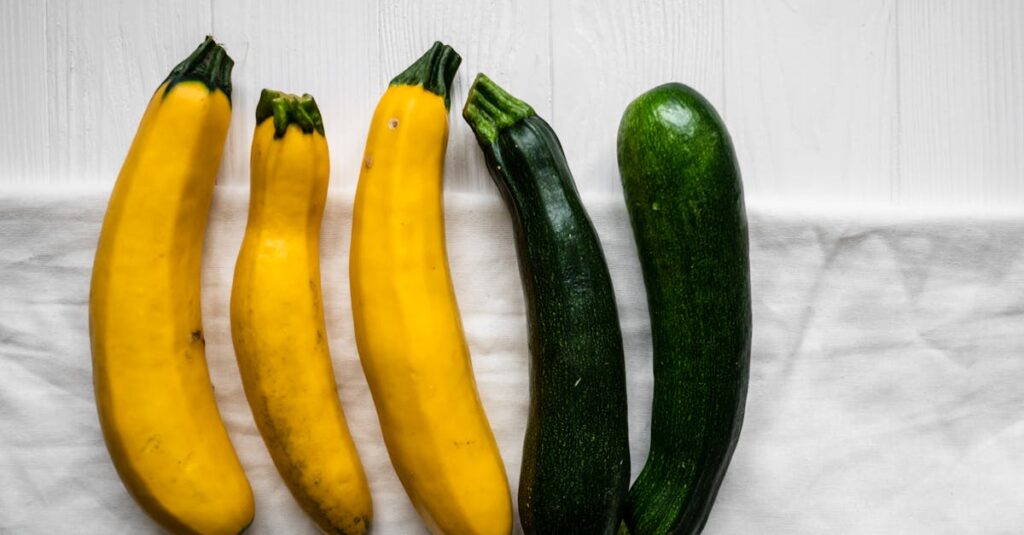
- Zucchini Noodles: Zucchini, when spiralized, creates a low-calorie pasta alternative. Top with marinara sauce and sautéed vegetables for a hearty dish. Nutrient-rich, this option avoids the extra carbs often found in traditional pasta.
- Chickpea Stir-Fry: Chickpeas deliver protein and fiber. Stir-fry them with broccoli, carrots, and snap peas for a colorful and vibrant meal. Add soy sauce or sesame oil for extra taste without many calories.
- Sweet Potato Bowls: Sweet potatoes provide essential vitamins and minerals. Roast them and serve in a bowl with leafy greens, avocado, and a drizzle of tahini dressing. This meal offers a satisfying balance of healthy fats and carbs.
- Lentil Soup: Lentils are high in protein and fiber. Cook them with diced tomatoes, carrots, and onions, and season with herbs. This warm soup simplifies meal prep while delivering filling nutrients.
- Vegetable Stir-Fried Rice: Use brown rice for a fiber-rich base. Stir-fry with mixed vegetables and tofu for added protein. A splash of tamari or coconut aminos can bring depth to the flavor.
These recipes exemplify how vegetarian meals can assist in achieving weight loss goals while promoting overall health. Exploring diverse ingredients keeps the diet interesting and enjoyable.
Benefits of a Vegetarian Diet
A vegetarian diet offers numerous benefits, particularly for those focused on weight loss. By incorporating a variety of plant-based foods, individuals can enjoy meals that are both satisfying and nutritious.
Weight Loss Advantages
Reducing calorie intake is simpler with vegetarian options. Many plant-based foods are inherently low in calories while high in fiber, promoting feelings of fullness. Observational studies indicate that vegetarians typically have lower body mass indexes compared to meat-eaters. Adopting a vegetarian diet blends flavorful meals with effective weight management strategies. Each fruit, vegetable, and whole grain contains essential nutrients, making it easier to create a balanced diet without excess calories. Planning meals around nutrient-dense ingredients often results in natural weight loss.
Nutritional Benefits
A vegetarian diet provides essential vitamins and minerals, often lacking in diets high in animal products. Foods like leafy greens, legumes, and whole grains deliver nourishment crucial for overall health. Studies show that vegetarians consume higher amounts of fiber and antioxidants than omnivores. Regular consumption of these foods strengthens the immune system and supports digestion. Focusing on a variety of ingredients ensures a well-rounded intake of nutrients. Including diverse elements such as nuts, seeds, fruits, and vegetables promotes optimal health while supporting weight loss efforts.
Key Ingredients for Weight Loss
Incorporating specific ingredients can enhance weight loss efforts while ensuring a nutritious vegetarian diet. Focus on these core components.
Vegetables and Fruits
Leafy greens, such as spinach and kale, serve as excellent choices for low-calorie meals. Brightly colored fruits like berries provide antioxidants and fiber, which promote satiety. Cruciferous vegetables, including broccoli and cauliflower, support metabolism and add texture to recipes. Incorporating a variety of vegetables and fruits maintains flavor and interest in meals. Preparing stir-fries or salads with seasonal produce maximizes freshness and nutrient density.
Whole Grains
Whole grains like quinoa, brown rice, and farro offer essential nutrients and fiber. Fiber-rich grains keep individuals feeling fuller longer, aiding in portion control. Swapping refined grains for whole grains can help regulate blood sugar levels, reducing cravings. Cooking with whole grains allows for a wide range of culinary creativity, from grain bowls to hearty soups. Pairing whole grains with vegetables creates satisfying and balanced dishes.
Plant-Based Proteins
Legumes, such as lentils and chickpeas, present excellent sources of protein and fiber in vegetarian diets. Tofu and tempeh provide versatile options for adding protein to various meals without excess fat. Nuts and seeds contribute healthy fats and protein, promoting feelings of fullness. Incorporating beans into salads, soups, or main dishes boosts nutritional value and satisfaction. Choosing plant-based proteins enhances weight management while supporting overall health.
Delicious Healthy Vegetarian Recipes
Exploring satisfying vegetarian recipes supports weight loss effectively while keeping meals enjoyable. Each recipe focuses on nutritious ingredients rich in flavors and essential nutrients.
Breakfast Ideas
Start the day with a refreshing green smoothie made from spinach, banana, and almond milk. Quinoa breakfast bowls topped with berries and a drizzle of honey offer a protein boost. Consider a chia seed pudding prepared the night before for an easy option. Overnight oats mixed with almond butter and sliced fruit provide sustained energy. Each choice emphasizes low-calorie, high-fiber ingredients.
Lunch Options
Prepare a vibrant Mediterranean quinoa salad featuring cucumbers, tomatoes, olives, and feta cheese. Chickpea wraps filled with fresh vegetables and hummus deliver protein and satisfaction. Lentil soup garnished with herbs serves as a hearty option, ideal for meal prep. Zucchini noodles tossed with pesto and cherry tomatoes create a light yet fulfilling meal. Each dish enhances nutrient intake while promoting fullness.
Dinner Recipes
A tofu stir-fry brings a variety of vegetables combined with soy sauce for flavor. Stuffed bell peppers filled with black beans, corn, and brown rice serve as a colorful dish. Cauliflower curry paired with quinoa warms the body and delights the palate. Mushroom risotto utilizes arborio rice for creaminess without added calories. Each recipe showcases exciting flavors while maintaining a focus on health.
Snacks and Smoothies
Smoothies blended with kale, apple, and ginger provide an antioxidant-rich option. Roasted chickpeas seasoned with spices make a crunchy, protein-packed snack. Energy balls made from dates, nuts, and cocoa offer a quick treat. Vegetable sticks served with a bean dip create a refreshing crunch. Each option encourages healthy snacking while aiding weight loss efforts.
Tips for Successful Weight Loss
Successful weight loss relies on strategic approaches that align with a healthy vegetarian diet. Focus on effective meal planning and practicing portion control to enhance results.
Meal Planning Strategies
Planning meals ahead streamlines grocery shopping and encourages healthier choices. Create a weekly menu that includes diverse vegetarian recipes, ensuring balanced nutrients. Incorporate a variety of vegetables and proteins to maintain interest and flavor in dishes. Batch cooking helps save time and reduces the temptation for unhealthy snacks. Utilize leftovers creatively, transforming them into new meals throughout the week. Stay organized by keeping a shopping list based on planned meals, which minimizes impulse purchases.
Portion Control
Practicing portion control plays a critical role in weight management. Use smaller plates to visually diminish serving sizes, tricking the brain into feeling satisfied. Before dining, assess hunger levels to distinguish between physical hunger and emotional cravings. Pre-portion snacks in containers to avoid overeating from large packages. Chew food thoroughly and eat slowly, allowing the body to signal fullness. Regularly monitoring portion sizes encourages awareness, which contributes significantly to successful weight loss.
Embracing a vegetarian diet can be a transformative journey toward achieving weight loss goals while enjoying a diverse range of flavors. By focusing on nutrient-dense ingredients and creative recipes, individuals can find satisfaction without sacrificing taste. The variety of meals available ensures that eating healthy remains exciting and fulfilling.
Incorporating plant-based foods not only supports weight management but also enhances overall health through essential nutrients and fiber. As individuals explore these healthy vegetarian recipes, they’ll discover that making mindful choices can lead to a more vibrant lifestyle. With the right strategies in place, a vegetarian approach can be both enjoyable and effective in reaching weight loss aspirations.