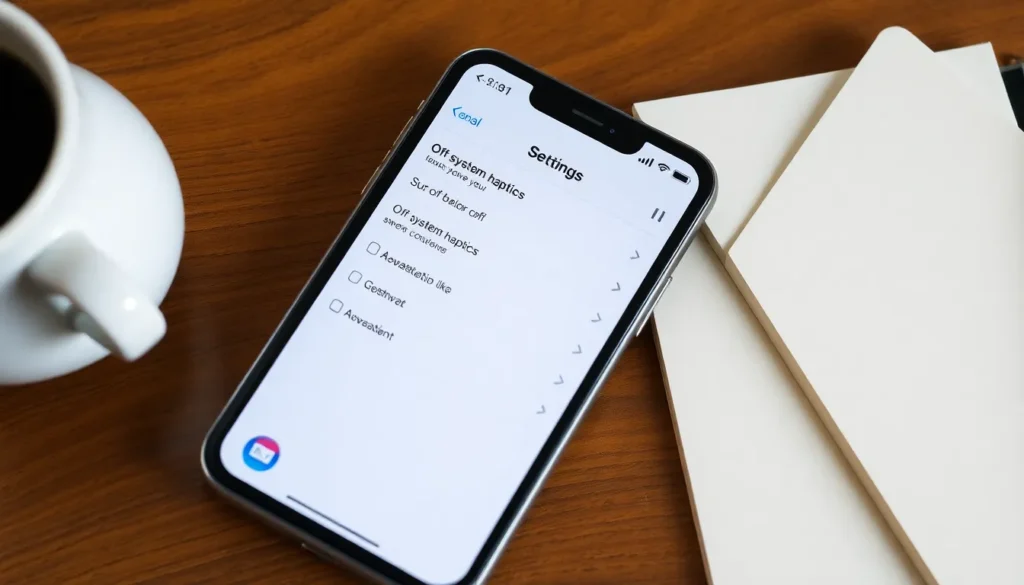

Imagine diving into your favorite app and feeling that satisfying buzz with every tap. That’s haptics working its magic on your iPhone. But what if you decided to turn it off? Some might think it’s like taking the frosting off a cupcake—still good, but missing that sweet touch.
Turning off system haptics might seem like a small tweak, but it can change your iPhone experience dramatically. From silent notifications to less immersive gaming, the absence of those little vibrations might leave you feeling a bit disconnected. So before you hit that switch, let’s explore what you might gain and what you might lose. After all, who knew a little buzz could make such a big difference?
Understanding System Haptics on iPhone
System haptics enhance the iPhone experience by providing tactile feedback during interactions. Users rely on these vibrations for notifications, alerts, and immersive gaming.
Definition of System Haptics
System haptics refer to the subtle vibrations and feedback generated by the iPhone during various actions. This feature includes feedback from taps, notifications, and other interactions. Apple designed these haptic responses to mimic physical sensations, adding depth to user interactions. For instance, receiving a text message triggers a gentle vibration, ensuring users notice notifications without sound.
Purpose and Functionality
The primary purpose of system haptics lies in enhancing user engagement. Feedback within apps and during navigation improves the overall experience. Haptics make it easier for users to understand interactions without relying solely on visual or auditory cues. Engaging in gaming, for example, feels more dynamic and immersive when accompanied by responsive vibrations. Furthermore, these sensations can guide users, indicating successful actions or errors, ultimately enriching the usability of the device.
Effects of Turning Off System Haptics
Turning off system haptics significantly alters how users interact with their iPhones. Users notice immediate changes in their experience, especially during notifications and in gaming.
Immediate Changes in User Experience
Disabling haptics leads to silent notifications. Users miss tactile cues, which can affect response times. Gaming experiences feel less immersive without vibrations, diminishing excitement. During typing, the absence of feedback can create uncertainty about key presses. Equally, users may find it harder to enjoy seamless engagement with apps. Those accustomed to haptic feedback may feel a disconnect when it’s turned off. Messages sent, calls received, and app interactions become less perceptibly engaging. This diminishes the overall quality of user interaction.
Impact on Accessibility Features
Accessibility features rely on haptic feedback for an intuitive experience. Users with hearing impairments depend on tactile cues to stay informed about notifications. Turning off haptics may hinder their ability to receive alerts promptly. Furthermore, the absence of such feedback can negatively impact users with certain cognitive disabilities. Increased clarity often comes from physical sensations during interaction. When haptics are disabled, users lose an essential layer of guidance. They might struggle to navigate the interface efficiently and confidently. Ultimately, these effects on accessibility create barriers for users who benefit most from haptic technology.
User Reactions and Feedback
Users express varying reactions to turning off system haptics on their iPhones. Some appreciate the reduction in distractions, aiming for a quieter experience.
Positive Responses
Many users report a newfound sense of focus after disabling haptics. They highlight a less disruptive environment during meetings or quiet moments. Reduced vibrations contribute to an overall minimalist experience. It also leads to improved battery life, as disabling this feature can save energy. Game enthusiasts note that it encourages a more traditional gameplay experience, allowing them to rely solely on screen visuals and sounds.
Negative Responses
Conversely, a notable number of users find the absence of haptics disconcerting. They miss the tactile feedback, which plays a crucial role in interactions. Many describe feeling disconnected from notifications, as the lack of vibrations leads to missed alerts. Typing without haptic feedback can create uncertainty, affecting writing speed and accuracy. Overall engagement with apps diminishes without that sensory element, leaving users longing for a more immersive experience.
Alternatives to System Haptics
Turning off system haptics doesn’t mean losing all feedback options on an iPhone. Users can still utilize other feedback mechanisms to enhance their interaction.
Other Feedback Mechanisms
Visual alerts serve as a primary alternative to haptic feedback. Notifications display on the screen, ensuring users remain informed without tactile sensations. Sound alerts also provide critical information; audible notifications can effectively capture attention when vibrations are absent. Some apps incorporate custom sounds corresponding to specific events, helping users stay engaged. VoiceOver and other accessibility features deliver verbal cues that guide users through tasks. These options ensure users maintain awareness of notifications and interactions, compensating for the absence of haptics.
Customization Options
Adjusting notification settings offers another way to optimize interactions. Users can customize alert tones for different applications, ensuring distinctive sounds draw attention. Vibration patterns can be modified for certain contacts or apps, enhancing the recognition of important messages. Additionally, many iPhone features allow users to prioritize specific alerts, ensuring urgent notifications are never missed. Brightness and color settings on the display can also enhance visual feedback, making notifications more noticeable. All these options empower users to tailor their experience according to personal preferences, maintaining engagement without haptic feedback.
Turning off system haptics on an iPhone can lead to a noticeable shift in user experience. While some may enjoy a quieter environment and reduced distractions others may find themselves feeling disconnected from their device. The absence of tactile feedback can create uncertainty during notifications and interactions particularly in gaming and typing.
For those who rely on haptic feedback for accessibility the impact can be even more significant. Users with hearing impairments may struggle to receive alerts promptly which can hinder their overall engagement. Ultimately the decision to disable haptics should be weighed carefully considering both personal preferences and how it may affect daily interactions with the device.