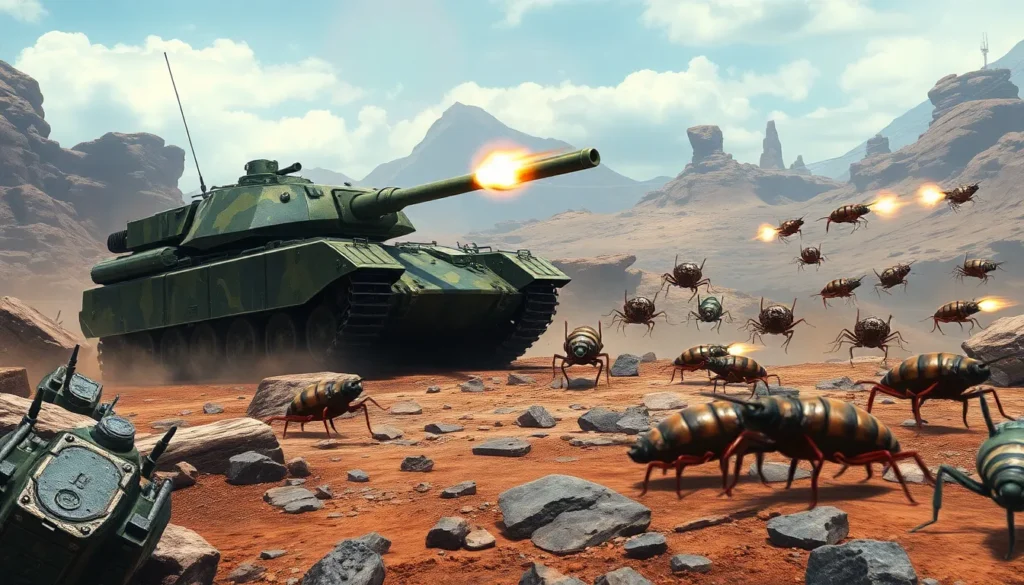

In the world of real-time strategy games, the clash between tanks and roaches is a classic showdown that sparks intense debates among players. Tanks, with their powerful long-range attacks, often dominate the battlefield, while roaches, known for their mobility and quick regeneration, can surprise opponents with their speed and numbers. This matchup not only tests individual skill but also strategic thinking and resource management.
As players dive into this heated discussion, they analyze various factors that influence the outcome. The terrain, unit composition, and player tactics all play crucial roles in determining who emerges victorious. Understanding the dynamics of this confrontation can provide valuable insights into gameplay strategies, making it a topic of interest for both casual gamers and competitive players alike.
Overview of the Matchup
The matchup between tanks and roaches presents distinct advantages and challenges for both units. Tanks boast long-range firepower, capable of dealing significant damage from a distance. This strength makes them formidable against clustered roaches, as a few well-placed shots can eliminate multiple targets.
Roaches bring speed and regeneration to the battlefield. Their ability to traverse terrain quickly often allows them to evade tank fire or close the gap. With effective positioning and flanking maneuvers, roaches can overwhelm tanks before they achieve their full effectiveness.
Terrain plays a pivotal role in this matchup. Elevated positions can enhance tank performance, while narrow pathways favor roaches, enabling them to dodge fire. Unit composition also significantly affects outcomes; mixing roaches with zerglings or other supporting units can improve their chances against tanks.
Player tactics determine the effectiveness of either unit. A strategic player can utilize terrain and timing to maximize damage or minimize losses. Awareness of enemy compositions and adapting tactics accordingly ensures the best chances for success in this classic confrontation.
Performance of Tanks

Tanks in strategy games exhibit a range of performance characteristics that influence their effectiveness against roaches. Recognizing these traits is essential for players aiming to maximize tank utility in battles.
Strengths of Tanks
- Long-Range Attack: Tanks can deal substantial damage from a distance, enabling them to eliminate roaches before they engage.
- High Damage Output: Tanks inflict significant area damage, particularly effective against grouped roaches.
- Defensive Capabilities: Tanks possess high durability, allowing them to withstand attacks while delivering firepower.
- Terrain Advantage: Positioning tanks on elevated terrain enhances their range and damage, making them difficult to counter.
- Psychological Pressure: The mere presence of tanks often forces opponents to alter their strategies, creating openings for player advancements.
Weaknesses of Tanks
- Mobility Limitations: Tanks have slower movement speeds, making them vulnerable to fast-moving roaches that can close in quickly.
- Vulnerability to Flanking: Tanks cannot effectively respond to attacks from multiple directions, particularly if roaches use terrain to their advantage.
- Siege Mode Drawbacks: Transitioning to siege mode (if applicable) can leave tanks immobile and susceptible to ambushes during crucial moments.
- Cost Efficiency: Tanks often require significant resources, which may limit a player’s ability to field other units for support.
- Counter Strategies: Skilled players can bypass tank fire by utilizing speed, distractions, or support units like zerglings, diminishing tank effectiveness.
Performance of Roaches
Roaches demonstrate a blend of versatility and resilience, making them a pivotal choice in battles against tanks. Their unique characteristics uplift their role in various strategies.
Strengths of Roaches
- Speed: Roaches possess faster movement, allowing them to close the distance to tanks efficiently.
- Regeneration: The ability to regenerate health offers sustainability in prolonged engagements, enabling them to recover from tank fire.
- Cost-Effectiveness: With lower resource costs compared to tanks, players can produce multiple roaches, creating numbers that can overwhelm opponents.
- Burrow Ability: Roaches can burrow, making them less susceptible to detection, which allows for surprise engagements or strategic repositioning.
- Flexibility: Roaches can adapt to different unit compositions, effectively supporting other Zerg units like zerglings for increased combat efficiency.
Weaknesses of Roaches
- Vulnerability to Area Damage: Tanks’ splash damage poses a significant threat to clusters of roaches, often leading to substantial losses.
- Limited Range: Roaches lack the long-range capabilities of tanks, necessitating them to engage closely, which can be challenging against well-positioned opponents.
- Low Armor: Compared to heavier units, roaches have lower armor, making them susceptible to concentrated fire from powerful ranged units.
- Dependence on Terrain: While terrain can favor roaches, improper positioning may lead to ambushes or disadvantageous engagements, especially in open areas.
- Coordinate with Support Units: Roaches perform best with other units backing them up; without this, they may struggle to survive against coordinated tank attacks.
Analysis of the Outcome
The outcome of the tank versus roach matchup hinges on several key factors. Terrain, unit composition, and player tactics are primary determinants in shaping the results of these battles.
Terrain Influences
Terrain significantly impacts tank effectiveness. Tanks positioned on elevated terrain gain an attack range advantage, allowing them to target roaches before they close in. Conversely, narrow pathways provide roaches with opportunities to dodge tank fire, enhancing their survivability. Players who leverage terrain effectively can turn the tide in their favor, maximizing their units’ strengths.
Unit Composition
Unit composition plays a critical role in the outcome. Roaches paired with zerglings or other support units create a more formidable attack. This combination allows roaches to soak up damage and distract tanks while engaging from an optimal distance. Tanks, while powerful, often falter when faced with diverse enemy units that exploit their limited mobility.
Player Tactics
Player tactics are essential in determining the victor. Skilled players deploy strategies that capitalize on unit strengths and counteract weaknesses. Timing becomes crucial; players can maximize damage output or minimize losses through well-timed attacks and retreats. A coordinated assault using speed and distractions can efficiently neutralize tanks, showcasing strategic depth in this matchup.
Strengths and Weaknesses
Analyzing strengths and weaknesses reveals why the outcome varies. Tanks provide powerful long-range attacks, high damage output, and solid defensive capabilities, but their immobility and vulnerability to flanking can be exploited by fast-moving roaches. On the other hand, while roaches bring versatility and resilience with their regeneration abilities, they remain vulnerable to concentrated tank fire.
Adjustments in gameplay and strategies can enhance outcomes in these conflicts, making ongoing analysis crucial for competitive gamers.
Implications for Future Matches
The outcome of the tank versus roach matchup holds significant implications for future matches in real-time strategy games. Understanding the strengths and weaknesses of each unit will shape player strategies going forward.
- Tactical Adjustments: Players can adapt their tactics based on the results of recent encounters. Favoring a mix of units, including roaches and support units like zerglings, can now become a popular strategy. Such combinations have proven effective in distracting tanks and absorbing damage.
- Terrain Utilization: Terrain will continue influencing unit performance. Players might prioritize maps that offer elevated positions for tanks while practicing in environments that contain narrow pathways to support roach mobility. Mastering terrain dynamics remains crucial for both offensive and defensive maneuvers.
- Unit Composition: The synergy between roaches and zerglings may lead to altered unit compositions in tournament play. Players likely will experiment with various support units instead of relying solely on roaches or tanks. The introduction of additional unit types could create more complex strategies.
- Resource Management: Effective resource allocation will become increasingly vital as players weigh the costs of deploying expensive tanks against the advantages of faster, more cost-effective roaches. Players will benefit from exploring optimal resource distribution to maintain flexible strategies.
- Competitive Evolution: The ongoing evolution of gameplay dynamics will prompt players to further refine their skills in response to shifting meta strategies. Keeping current with community trends and analysis can enhance a player’s chances of success against opponents.
- Psychological Factors: Players’ understanding of opponent tendencies may deepen as strategies evolve. Instilling doubt through unpredictable engagements can lead opponents to second-guess their tactics, opening up opportunities for victory.
Overall, the implications of the tank versus roach outcome extend beyond individual matches, affecting strategic choices, player skill improvement, and the overall competitive landscape in real-time strategy gaming.
The matchup between tanks and roaches remains a captivating aspect of real-time strategy games. Players continuously adapt their strategies based on terrain and unit composition. The effectiveness of tanks’ long-range firepower can be countered by the speed and regeneration of roaches, showcasing the depth of tactical gameplay.
As players refine their skills and strategies, the dynamics of this confrontation will evolve. Understanding the strengths and weaknesses of each unit is crucial for success. Ultimately, the ongoing debates and adaptations in this classic matchup will keep players engaged and striving for improvement in their gameplay.