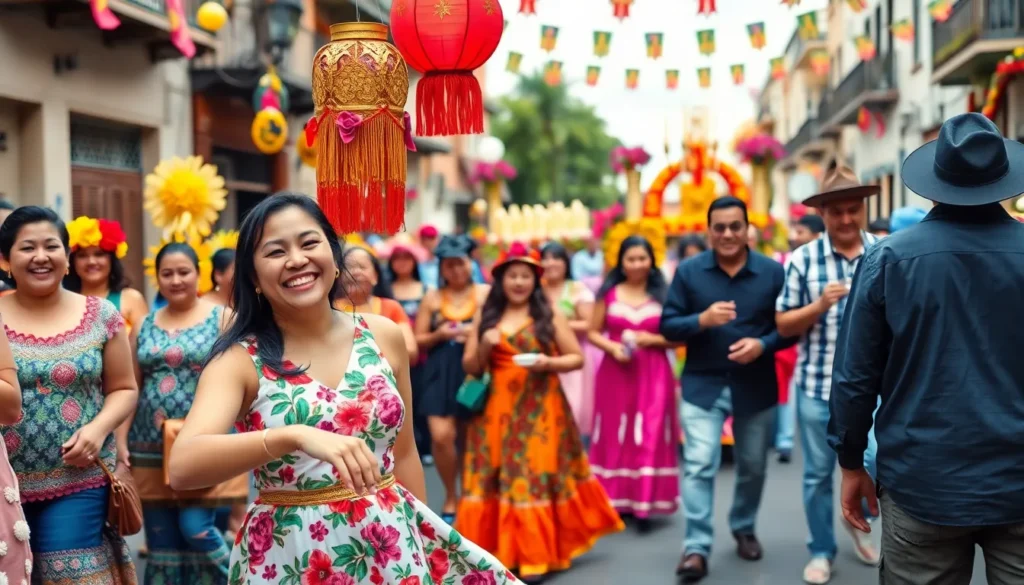

Dia de San Jose, celebrated on March 19, holds significant cultural and religious importance in many communities. This day honors Saint Joseph, the earthly father of Jesus and a symbol of fatherhood and protection. In 2025, the festivities promise to be particularly vibrant, as communities come together to commemorate this beloved figure with rich traditions, prayers, and festive activities.
As the date approaches, preparations for the celebrations ramp up, showcasing local customs and culinary delights. Families often gather to share meals, attend masses, and participate in various cultural events that highlight the essence of community and faith. Understanding the significance of Dia de San Jose not only enriches one’s appreciation for this day but also connects individuals to a broader cultural heritage.
Overview of Dia De San Jose 2025
Dia de San Jose takes place on March 19, 2025, and celebrates Saint Joseph, the patron saint of workers and families. This celebration encompasses various activities, reflecting cultural, religious, and community values. The festivities are marked by unique local traditions, vibrant parades, and community gatherings.
Communities engage in culinary delights, featuring dishes like “pancit,” “empanadas,” and traditional desserts. These food items not only highlight regional flavors but also foster communal sharing among families and friends.
Cultural events such as dance performances, folk music, and artisan fairs showcase local talents and craftsmanship. Religious services play a significant role, with many attending mass to honor Saint Joseph’s contributions to Christianity.
In 2025, attendees can expect enhanced participation, as communities aim to create a welcoming atmosphere for both locals and visitors. The day encourages stronger bonds among participants while preserving cultural heritage. Understanding these aspects of Dia de San Jose helps individuals connect deeper with their traditions and communal identities.
Historical Significance
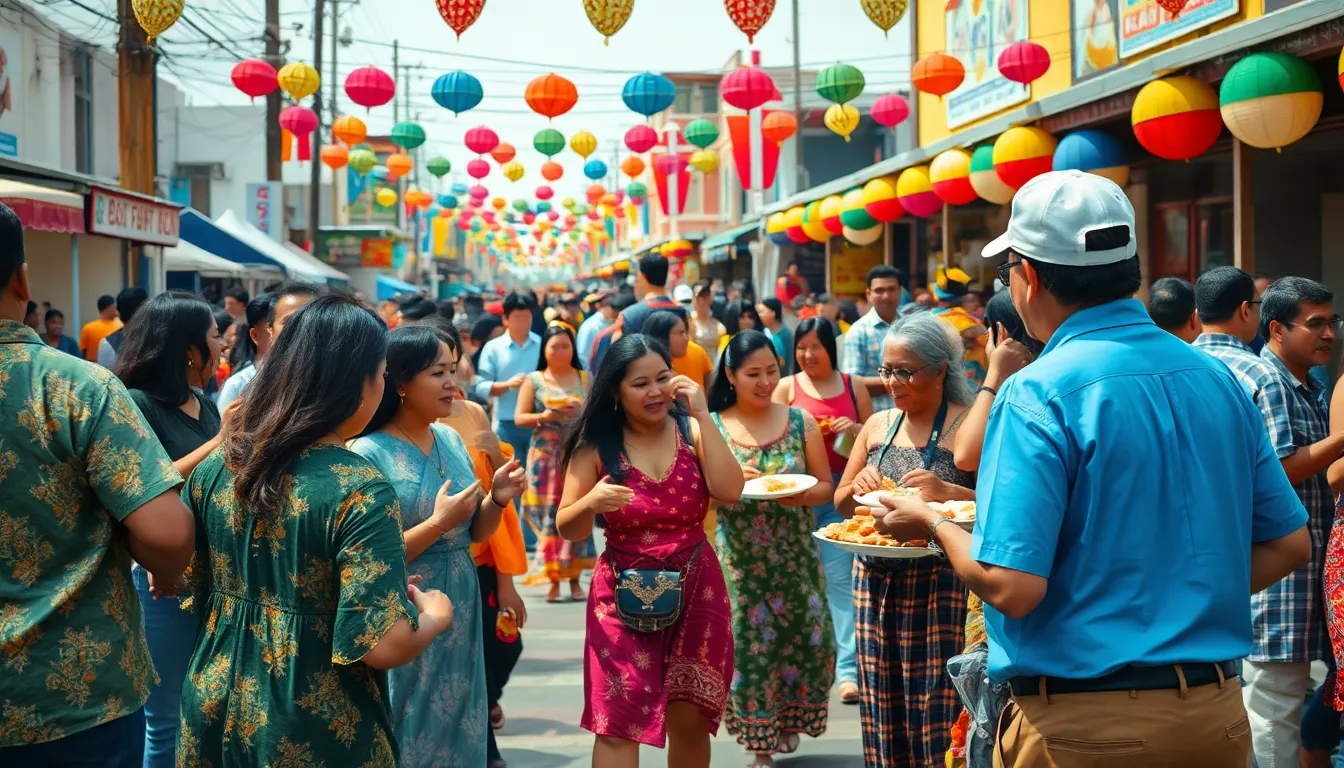
Dia de San Jose has deep roots in Christianity, commemorating Saint Joseph’s vital role in Jesus’ life and emphasizing values such as family and hard work. The year 2025 marks an extraordinary celebration, reflecting both historical importance and evolving cultural practices.
Origins of Dia De San Jose
Dia de San Jose traces its origins to the early Christian church, with formal recognition as early as the 10th century. Pope Gregory XIII established the feast day on March 19 in 1584. The day honors Saint Joseph, revered for his unwavering support and dedication to the Holy Family. Communities celebrate his virtues of responsibility and humility, making this festival a focal point for family gatherings and religious observance.
Evolution of Celebrations
Celebrations of Dia de San Jose have evolved significantly, incorporating diverse cultural elements over centuries. Initially marked by solemn religious services, the day transformed into a vibrant community affair featuring parades, festive meals, and local customs. In 2025, celebrations are expected to include regional highlights such as traditional music, dance performances, and artisan markets. Cities around the world take part in these festivities, showcasing unique customs and fostering community spirit. Participants engage in culinary traditions, sharing dishes like “pancit” and “empanadas,” reinforcing cultural bonds and enhancing the day’s significance. Community events promote inclusivity and unity, creating lasting memories and connections among attendees.
Cultural Traditions
Dia de San Jose is marked by a rich tapestry of traditions that vary by region and community. These practices embody collective values, fostering unity and celebration among participants.
Traditional Practices
Traditional practices surrounding Dia de San Jose include elaborate altars and processions. Families create altars adorned with flowers, candles, and images of Saint Joseph, paying homage to his role. Participants often engage in processions that feature music and dance, celebrating both faith and heritage. Many communities organize “food offerings,” where attendees can share dishes like “pancit” and “empanadas,” symbolizing the spirit of sharing and togetherness. In some areas, the evening culminates with a communal feast, reinforcing bonds among families and friends while honoring Saint Joseph’s contributions.
Regional Variations
Regional variations of Dia de San Jose reflect local customs and cultural influences. In Spain, the Fallas festival coincides with the day, showcasing large, artistic sculptures that are publicly displayed and later burned in a grand finale. In Italy, communities host feasts featuring traditional foods, particularly in Sicily, where specific recipes for pastries and dishes are reserved for the occasion. In the Philippines, the celebration involves vibrant street parades accompanied by folk dances, emphasizing community engagement and local talent. These regional differences enrich the overall celebration and highlight the diverse ways communities express their devotion and heritage on Dia de San Jose.
Celebratory Events in 2025
In 2025, Dia de San Jose festivities are set to captivate communities worldwide with diverse events and celebrations. From major festivals to local gatherings, these occasions foster cultural connection and collective joy.
Major Events and Festivals
Dia de San Jose 2025 will feature significant events across regions, showcasing both traditional and modern interpretations. Major festivals include:
- Fallas Festival in Valencia, Spain: This week-long event culminates in spectacular fireworks, parades, and the burning of large sculptures, honoring Saint Joseph’s legacy.
- Feast Day Events in Italy: Various towns will hold religious services, followed by communal feasts that celebrate local culinary traditions, ensuring a blend of faith and festivity.
- Parades in the Philippines: Metro Manila and other cities will host vibrant street parades with colorful floats, enthusiastic drumlines, and energetic dance performances that highlight Filipiniana culture.
These major events encapsulate the essence of Dia de San Jose, attracting both local participants and visitors eager to experience cultural richness.
Community Involvement
Community involvement plays a vital role in the success of Dia de San Jose events. Local organizations and residents collaborate to enhance celebrations through various means:
- Volunteering: Residents volunteer their time to set up altars, decorate streets, and organize events, fostering a sense of ownership and pride in the festivities.
- Culinary Contributions: Individuals and families contribute traditional dishes for communal meals, reinforcing the celebration’s focus on sharing and togetherness.
- Cultural Programs: Workshops and rehearsals for dance and music performances involve community members of all ages, ensuring the participation of diverse talents and showcasing local heritage.
This collective participation strengthens community bonds and deepens the appreciation for the shared values of faith, family, and cultural identity inherent in Dia de San Jose.
Significance in Modern Society
Dia de San Jose serves as a vital cultural and religious touchstone in modern society. This celebration promotes core values such as family unity, community collaboration, and respect for labor. Participants engage in numerous activities that highlight shared beliefs, reinforcing connections across generations.
Traditions associated with Dia de San Jose foster a sense of belonging. Elaborate altars with flowers and candles honor Saint Joseph while showcasing local artistry. Community processions feature music and dance, making the celebrations lively and inclusive. Shared meals, including regional specialties like “pancit” and “empanadas,” symbolize togetherness and hospitality.
In 2025, the significance of Dia de San Jose amplifies through global participation. Major events, such as the Fallas Festival in Valencia and vibrant street parades in the Philippines, reflect diverse cultural expressions. Each community’s unique interpretation of the holiday enriches the overall experience, contributing to a broader appreciation of its importance.
Community involvement enhances the festival’s impact. Local organizations collaborate to organize events, providing opportunities for residents to volunteer and showcase their culinary skills and artistic talents. This active participation strengthens community bonds and instills pride in cultural heritage.
Understanding the celebration’s cultural and religious significance promotes respect and gratitude for traditions. By participating in Dia de San Jose festivities, individuals and families reaffirm their identities while fostering unity in a rapidly changing world.
Dia de San Jose in 2025 promises to be a remarkable celebration that unites communities through rich traditions and shared values. The vibrant festivities will not only honor Saint Joseph but also emphasize the importance of family and hard work. As participants engage in local customs culinary delights and cultural events they’ll create lasting memories that strengthen community bonds.
With diverse celebrations taking place worldwide each region will showcase its unique heritage adding depth to the collective experience. This day serves as a reminder of the enduring significance of faith and cultural identity in today’s society. As communities come together to celebrate they’ll reaffirm their commitment to unity and shared beliefs fostering a sense of belonging that transcends generations.