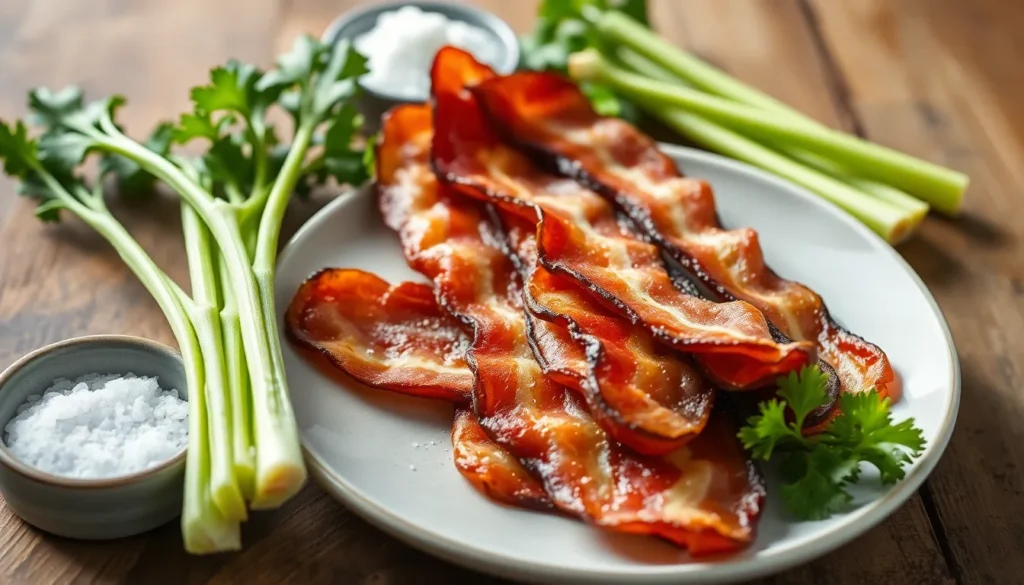

When it comes to breakfast favorites, bacon reigns supreme. But what exactly does “uncured bacon” mean? Many people find themselves puzzled by this term, often associating it with a healthier or more natural option. In reality, uncured bacon is simply a product that hasn’t undergone the traditional curing process with synthetic nitrates or nitrites.
Instead, it uses natural ingredients like celery powder or sea salt to achieve that beloved flavor. This distinction is important for both health-conscious consumers and culinary enthusiasts. Understanding the nuances of uncured bacon can help anyone make informed choices about their food. Dive into the world of uncured bacon to discover its benefits and how it fits into a balanced diet.
What Does Uncured Bacon Mean?
Uncured bacon refers to bacon that hasn’t undergone the curing process with synthetic nitrates or nitrites. Instead, it relies on natural ingredients, such as celery powder, sea salt, or other plant-based salts, to enhance flavor and preserve freshness. Some manufacturers may add ascorbic acid, a natural form of vitamin C, to maintain color and shelf life.
Uncured bacon doesn’t imply a lack of preservation. It still undergoes curing, utilizing natural alternatives to achieve a similar effect. The taste remains rich and savory, appealing to those who prefer natural seasonings. Additionally, it’s essential to note that uncured bacon may contain the same levels of sodium and cholesterol as traditional bacon.
For clarity, labels on uncured bacon products often state “uncured, no nitrates or nitrites added,” emphasizing the absence of synthetic preservatives while highlighting the use of naturally derived sources. Consumers should be aware that the term “uncured” can be misleading; it doesn’t mean healthier, but rather a different approach to flavoring and preserving bacon.
The Difference Between Cured and Uncured Bacon
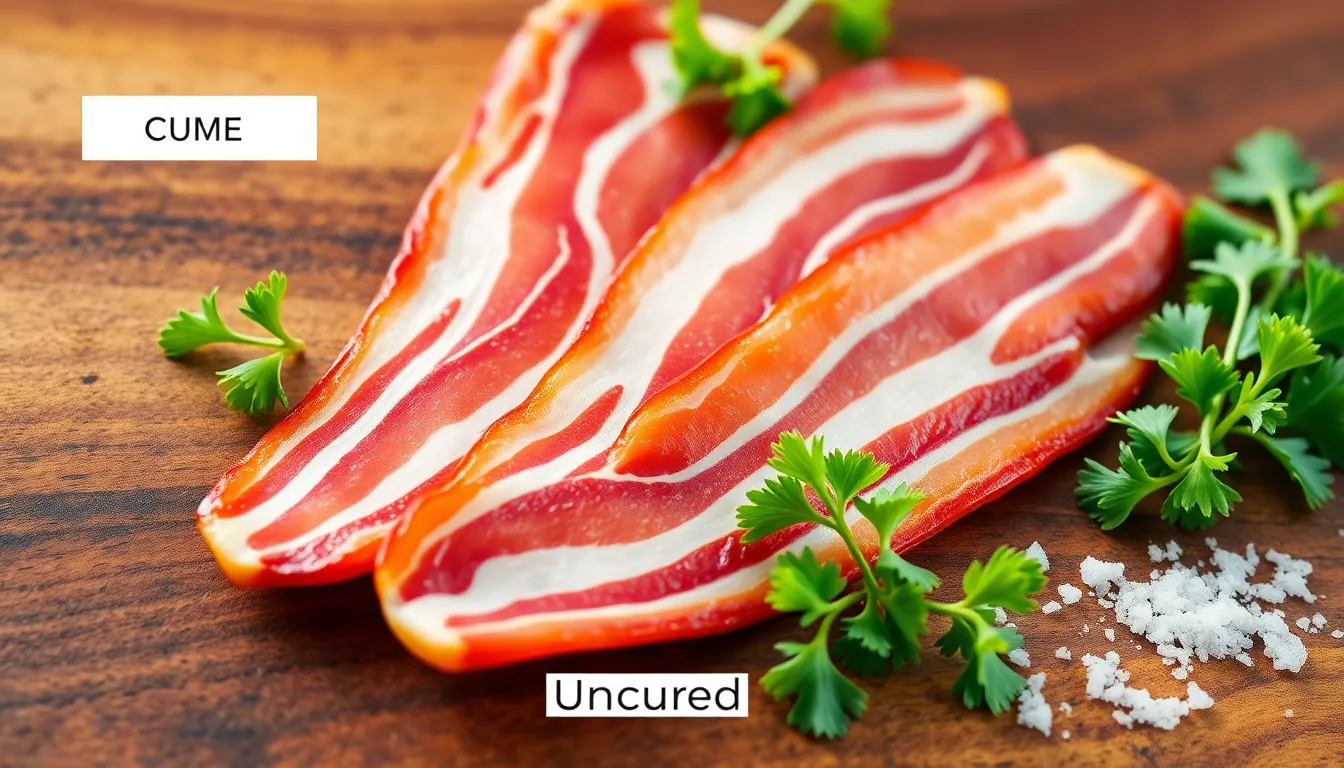
Cured and uncured bacon differ primarily in the methods and ingredients used for preservation. Understanding these distinctions provides clarity to consumers.
Understanding the Curing Process
Curing bacon involves applying substances that preserve meat and enhance flavor. In cured bacon, sodium nitrite or nitrate, synthetic agents, contribute to preservation and color. This process inhibits bacterial growth, ensuring safe consumption and extending shelf life. Uncured bacon, however, utilizes natural curing methods. It relies on natural substances such as celery powder or sea salt to achieve similar results, which can affect flavor, color, and preservation.
Common Curing Agents
Cured bacon incorporates various chemical agents.
- Sodium nitrite: Prevents bacterial growth and maintains color.
- Sodium nitrate: Converts to nitrite for preservation and flavoring.
Uncured bacon utilizes natural alternatives.
- Celery powder: Contains natural nitrates that serve the same purpose as synthetic agents.
- Sea salt: Enhances flavor and preserves meat without synthetic additives.
Both bacon types provide unique taste profiles, affected by the chosen curing methods and agents.
Health Considerations of Uncured Bacon
Uncured bacon presents unique health considerations that consumers should understand when making dietary choices. Despite the absence of synthetic nitrates and nitrites, uncured bacon still contains elements that can influence health.
Nutritional Profile
Uncured bacon often retains similar nutritional values as traditional bacon. A typical serving size of uncured bacon (approximately 2 ounces) may contain:
| Nutritional Component | Amount per 2 oz |
|---|---|
| Calories | 240-300 |
| Total Fat | 20-25 grams |
| Saturated Fat | 7-10 grams |
| Cholesterol | 50-70 mg |
| Sodium | 600-800 mg |
These values indicate that uncured bacon can significantly contribute to daily sodium, cholesterol, and fat intake. Consumers should balance their bacon intake with other nutrient-rich foods to maintain a well-rounded diet.
Potential Risks and Benefits
Uncured bacon offers potential risks and benefits.
Risks:
- Sodium Content: Uncured bacon may contain high sodium levels, contributing to hypertension and cardiovascular issues.
- Saturated Fat: Consuming saturated fat in excess can raise cholesterol levels, increasing the risk of heart disease.
Benefits:
- Natural Ingredients: The use of natural preservatives may appeal to health-conscious consumers seeking wholesome alternatives.
- Flavor Profile: Many enjoy the flavor of uncured bacon, which can enhance meal variety without artificial additives.
Understanding these risks and benefits can help consumers make informed choices about incorporating uncured bacon into their diets.
Culinary Uses for Uncured Bacon
Uncured bacon offers versatile culinary applications, enhancing dishes with its rich flavor. Cooking techniques and innovative recipes can elevate meals using this natural ingredient.
Cooking Techniques
- Sautéing: Sauté uncured bacon in a skillet over medium heat to achieve a crispy texture. Use the rendered fat to add flavor to vegetables or eggs.
- Baking: Bake uncured bacon at 400°F for 15-20 minutes for uniform crispness. This method is ideal for preparing larger batches without constant monitoring.
- Grilling: Grill uncured bacon on a medium-high heat to impart a smoky flavor. Consider wrapping vegetables or shrimp for added taste.
- Roasting: Roast uncured bacon alongside meats. The drippings enhance the flavor of roasted vegetables, infusing them with savory goodness.
- Wrapping: Wrap uncured bacon around various items such as chicken, asparagus, or jalapeños. This technique adds flavor and creates a delicious contrast in textures.
Recipe Ideas
- Bacon-Wrapped Asparagus: Coat asparagus spears in uncured bacon. Bake until crispy for a savory side dish.
- Bacon and Egg Breakfast Bowl: Combine scrambled eggs with sautéed uncured bacon, spinach, and cherry tomatoes. Opt for this nutritious breakfast option.
- BLT Sandwich with Avocado: Create a classic BLT with uncured bacon, lettuce, tomato, and avocado on whole grain bread. This recipe provides healthy fats and fiber.
- Bacon-Brussels Sprouts Hash: Combine roasted Brussels sprouts with uncured bacon pieces, onions, and a fried egg for a hearty brunch dish.
- Bacon-Infused Pasta: Sauté uncured bacon until crispy, then mix with cooked pasta, garlic, and a splash of broth for a flavorful main course.
Uncured bacon offers a unique twist on a beloved ingredient by using natural alternatives for curing. This approach appeals to those seeking to avoid synthetic additives while still enjoying rich flavors. It’s important for consumers to recognize that uncured bacon isn’t automatically a healthier choice but rather a different method of preservation.
By understanding its nutritional profile and culinary versatility, individuals can make informed decisions about incorporating uncured bacon into their meals. Whether enhancing a breakfast dish or adding depth to a savory recipe, uncured bacon can be a delightful addition to a balanced diet.