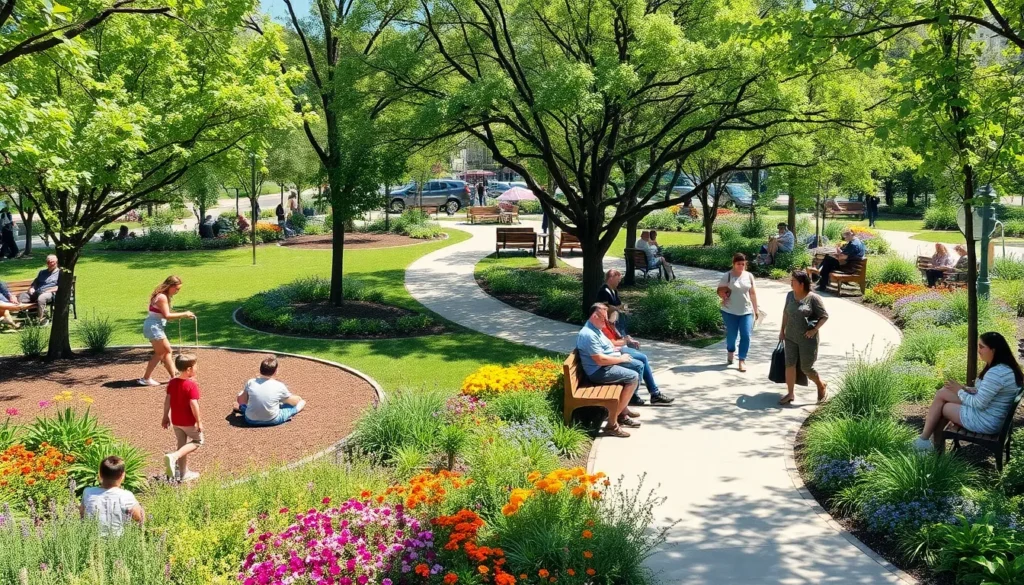

In a world where concrete jungles reign supreme, green spaces are like a breath of fresh air—literally. Imagine stepping into a vibrant oasis filled with colorful flowers, lush grass, and maybe even a squirrel or two plotting their next acorn heist. Green spaces aren’t just pretty to look at; they’re essential for our well-being, offering a natural antidote to the hustle and bustle of urban life.
Designing these green retreats requires a mix of creativity and strategy. It’s about balancing aesthetics with functionality, ensuring that every tree and bench serves a purpose. Whether it’s a pocket park or a sprawling botanical garden, the right design can transform any area into a sanctuary. So, let’s dig into the art of green spaces design—where nature meets innovation and tranquility is just a park bench away.
Overview of Green Spaces Design
Green spaces design encompasses the strategic planning and creation of parks, gardens, and other natural areas in urban settings. These designs aim to foster environmental sustainability while enhancing urban dwellers’ quality of life. Designers emphasize balancing aesthetics and utility, ensuring green spaces are both beautiful and functional.
Effective green space design considers various factors, including accessibility, biodiversity, and community needs. Designers integrate walking paths, seating areas, and native plant species to accommodate diverse activities. Nature play areas engage children and families, offering spots for relaxation and recreation.
The successful implementation of green spaces significantly contributes to the urban ecosystem. Studies show that green areas improve air quality, mitigate urban heat, and support wildlife habitats. Additionally, well-designed spaces promote physical activity and mental well-being by encouraging community interaction and reducing stress.
Innovative design techniques can enhance the environmental impact of green spaces. Techniques such as rain gardens and green roofs absorb stormwater and provide habitats for pollinators. Sustainable materials and native vegetation help reduce maintenance requirements and increase resilience.
Ultimately, green spaces design embodies a commitment to creating healthier urban environments. Effective designs reflect community values and priorities while addressing environmental challenges. The process not only enriches urban landscapes but also fosters deeper connections between people and nature.
Importance of Green Spaces
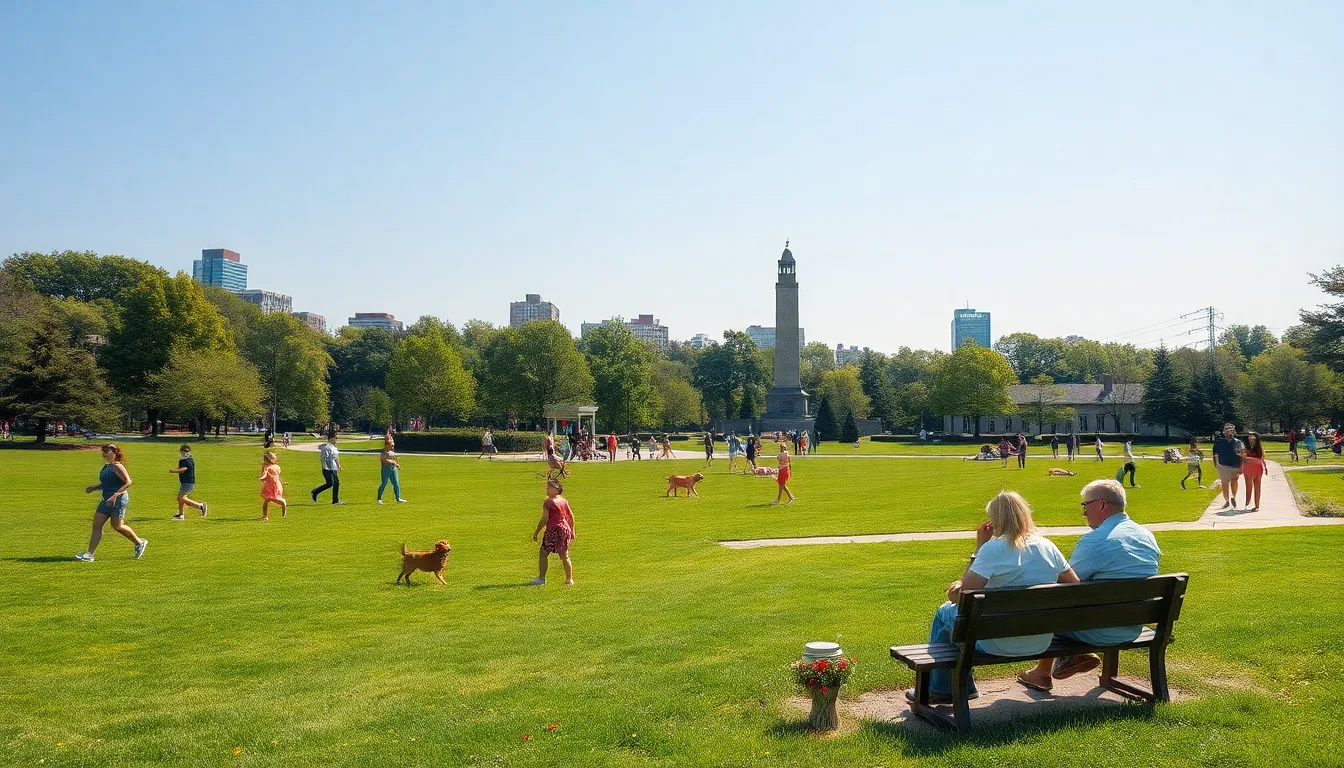
Green spaces play a critical role in enhancing urban living and well-being. They provide essential ecological and community benefits, shaping healthier environments for all residents.
Environmental Benefits
Green spaces contribute significantly to environmental health. Trees and plants reduce air pollution, absorbing carbon dioxide and releasing oxygen. Urban greenery also cools the environment, mitigating the urban heat island effect by lowering temperatures. Furthermore, these areas manage stormwater effectively, reducing runoff and preventing flooding. Biodiversity thrives in green spaces, supporting various species, including pollinators. Wildlife habitats flourish, facilitating essential ecological processes. Urban parks improve soil quality, enhancing sustainability and resilience against climate change.
Social Benefits
Green spaces foster strong social connections among communities. They encourage outdoor activities, promoting physical health through exercise, walking, or recreation. Gathering spaces enable social interactions, strengthening community bonds. Diverse activities, from fitness classes to cultural events, enhance community engagement. Additionally, access to green spaces has been linked to reduced stress levels and improved mental well-being. Outdoor environments stimulate creativity and productivity, benefiting residents of all ages. Ultimately, these areas serve as vital community hubs, enriching the urban experience.
Key Elements of Green Spaces Design
Effective green spaces hinge on several key elements, ensuring they fulfill their purpose in urban environments.
Plant Selection
Diverse plant species contribute to ecological balance and aesthetic appeal. Selecting native plants promotes biodiversity and requires less maintenance. Incorporating seasonal flowering plants enhances visual interest throughout the year. Vegetation type impacts soil health and wildlife habitats. For instance, trees provide shade, while shrubs offer shelter for birds. Engaging landscape architects can aid in understanding ecosystem needs, leading to a harmonious blend of flora.
Layout and Accessibility
A thoughtful layout ensures people of all ages and abilities enjoy green spaces. Creating clear pathways enhances mobility and encourages exploration. Integrating seating areas allows for relaxation and social interaction. Accessibility features, such as ramps and tactile paving, cater to individuals with mobility challenges. Moreover, strategically placing amenities like restrooms and water fountains enhances user experience. Designing layouts that promote visibility fosters safety, making these natural retreats inviting for all.
Design Trends in Green Spaces
Design trends in green spaces focus on sustainability and innovation. These elements are essential for creating functional and beautiful urban retreats.
Sustainable Practices
Sustainable design practices prioritize ecological integrity. Many designers incorporate native plants that require less water and maintenance. Utilizing rain gardens helps manage stormwater runoff effectively while enhancing biodiversity. Organic landscaping techniques minimize chemical use, promoting healthier ecosystems. Community involvement in planting initiatives fosters a sense of stewardship and ownership. Incorporating permeable materials in pathways supports water infiltration, reducing urban flooding risks. Ultimately, sustainable practices create spaces that not only look good but also function harmoniously within their environments.
Innovative Features
Innovative features continue to shape modern green space design. Green roofs contribute to energy efficiency, offering insulation while providing habitat for wildlife. Vertical gardens optimize space in urban settings, bringing greenery closer to residents. Interactive installations like art sculptures or sensory gardens engage visitors and encourage exploration. Technology is integrated through smart lighting and irrigation systems, enhancing usability and efficiency. Nature play areas promote physical activity in children, offering fun and educational experiences. These innovations breathe life into green spaces, making them both functional and enjoyable for all.
Challenges in Green Spaces Design
Designing green spaces presents several challenges that require careful consideration. Limited funding often restricts the scope of projects, impacting the quality and variety of features that can be incorporated. Accessibility issues create barriers for individuals with disabilities, emphasizing the need for Universal Design principles to ensure inclusivity for all users.
Urban planning regulations can complicate design efforts. These regulations may limit the size or shape of green spaces, hindering designers from creating optimal environments. Competing land uses also present challenges, as urban areas face pressure from residential, commercial, and infrastructural demands. Striking a balance between these competing interests proves vital for successful green space integration.
Environmental sustainability challenges arise during the design process. Designers must be mindful of local ecosystems and incorporate plant selections that enhance biodiversity while adapting to local climate conditions. Soil quality and maintenance considerations further complicate the implementation of features like rain gardens and green roofs, which require specific conditions for long-term success.
Community engagement plays a crucial role in the design phase. Understanding the needs and preferences of local residents can be difficult, resulting in spaces that do not meet user expectations. Additionally, competing priorities among stakeholders can lead to conflicts, making consensus-building essential for effective design outcomes.
Cultural considerations influence design choices as well. Different communities may value green space uses differently, necessitating culturally sensitive and context-aware design approaches. Balancing aesthetic appeal with functional usability adds another layer of complexity, ensuring that spaces fulfill their intended purposes while remaining visually attractive.
Green spaces are more than just patches of greenery in urban settings; they’re vital components that enhance the quality of life. Thoughtful design can transform these areas into inviting retreats that promote well-being and community engagement. By prioritizing sustainability and accessibility, designers can create spaces that not only look good but also serve essential ecological functions.
As cities continue to grow, the need for innovative green space solutions becomes increasingly important. Embracing the principles of biodiversity and community input ensures these spaces reflect the needs and values of those who use them. Ultimately, well-designed green spaces foster stronger connections between people and nature, enriching urban environments and contributing to healthier communities.