
In a world where stress can feel like a second job, yoga routines offer a delightful escape that’s both calming and energizing. Imagine bending and stretching your way to inner peace while simultaneously improving flexibility—who wouldn’t want to master the art of looking cool while trying not to tip over in downward dog?
Benefits of Yoga Routines
Yoga routines offer numerous benefits that contribute to overall well-being. These practices help alleviate stress, promote relaxation, and enhance flexibility.
Physical Benefits
Yoga routines improve flexibility through various poses. Regular practice increases range of motion in joints. Strength builds up as individuals engage in different postures. Balance improves, which reduces the risk of injuries. Additionally, yoga promotes better posture, leading to less strain on the spine. Increased blood flow supports cardiovascular health. Participants often experience enhanced physical strength, contributing to better performance in activities.
Mental Benefits
Yoga routines significantly impact mental health. Stress reduction occurs through mindful breathing and meditation techniques. Clarity of thought improves, enabling better decision-making. Focus sharpens as individuals practice being present in the moment. Emotional balance often leads to greater resilience in facing challenges. Additionally, regular practice can alleviate symptoms of anxiety and depression, fostering a more positive mindset. Enhanced overall mental well-being promotes a deeper sense of peace.
Types of Yoga Routines
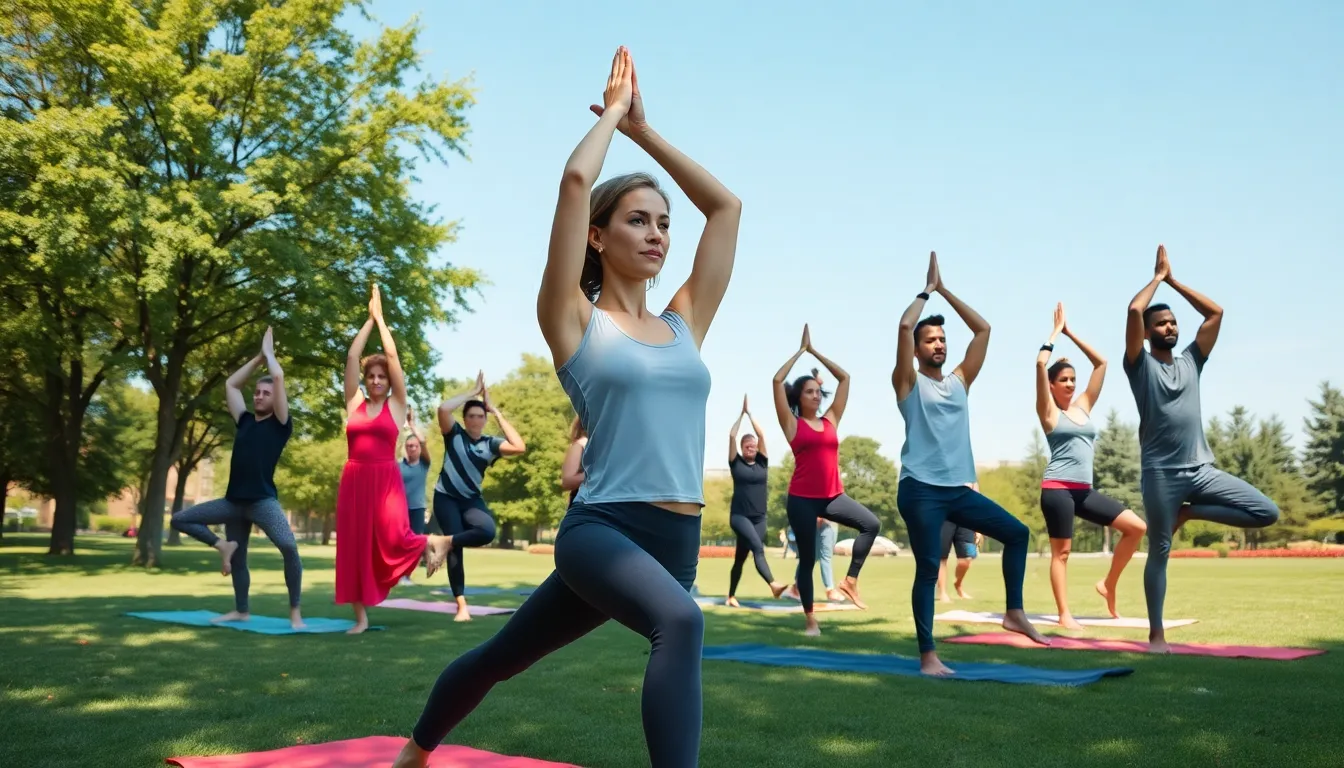
Different styles of yoga routines cater to various needs, enhancing physical and mental well-being. Here are some popular types:
Hatha Yoga
Hatha yoga focuses on physical postures and breathing techniques. It emphasizes alignment and body awareness, making it suitable for beginners. Practitioners often experience improved flexibility and strength through foundational poses. Many classes incorporate a mix of standing and seated postures, encouraging relaxation and focus. Hatha sessions typically last 45 to 90 minutes, providing ample time for deep stretching and mindfulness.
Vinyasa Yoga
Vinyasa yoga creates a dynamic flow between poses, connecting breath with movement. This type features a variety of sequences, allowing for creativity in practice. Participants engage in a continuous movement pattern, promoting cardiovascular health and strength. Classes vary in intensity, enabling practitioners to choose according to their fitness levels. Many find Vinyasa invigorating, offering both physical challenge and mental clarity.
Ashtanga Yoga
Ashtanga yoga encompasses a rigorous sequence of postures practiced in a specific order. It emphasizes strength, flexibility, and endurance through challenging poses. Practitioners follow a set series, which increases focus and discipline. Classes often involve synchronized breathing, enhancing overall performance. Ashtanga sessions may last from 75 to 90 minutes, catering to those seeking a structured and intense workout.
Creating Your Own Yoga Routine
Creating a personalized yoga routine starts with understanding individual needs and preferences. Practitioners can enhance their experience by focusing on specific goals and selecting appropriate poses.
Assessing Your Goals
Prioritizing goals is key to an effective yoga routine. Whether aiming to reduce stress, improve flexibility, or build strength, clarity on objectives helps in designing the best approach. Short-term objectives can include mastering certain poses, while long-term aims may focus on overall wellness. Evaluating physical limitations informs choices, ensuring safety and comfort during practice. Reflecting on personal motivations enhances commitment, leading to a more fulfilling yoga experience.
Choosing the Right Poses
Selecting poses aligns with the set goals, promoting optimal benefits. Beginners often benefit from foundational poses like Downward Dog and Child’s Pose, establishing a solid base. Intermediate practitioners might incorporate poses such as Warrior I and II to build strength and stability. Advanced yogis can explore inversions and advanced balances, enhancing flexibility and core strength. Incorporating various poses into the routine maintains engagement and addresses different muscle groups, promoting overall balance in practice.
Tips for Practicing Yoga Routines
Practicing yoga routines effectively depends on creating the right environment and maintaining a commitment to the practice.
Finding the Right Space
Creating the ideal space for yoga enhances the overall experience. Choose a calm area, preferably with natural light, to promote relaxation. Ensure the space is quiet and free from distractions. Consider using yoga mats, cushions, or blocks to improve comfort during routines. Surrounding oneself with plants or calming images can also elevate the ambiance. Mark a dedicated spot for daily practice, making it easier to commit. Personalize the area with items that inspire mindfulness, such as candles or essential oils.
Staying Consistent
Consistency plays a key role in achieving the benefits of yoga routines. Setting a regular schedule helps establish a habit, whether practicing daily or several times a week. Selecting specific times that align with personal energy levels fosters commitment. Tracking progress can enhance motivation; consider keeping a journal to reflect on experiences. Practicing with a group or attending classes adds accountability and support. Scheduling reminders can also aid in sticking to routines. Ultimately, staying consistent leads to long-term physical and mental gains.
Embracing yoga routines can lead to transformative changes in both body and mind. By selecting the right style and tailoring practices to individual needs, anyone can cultivate a fulfilling experience. The journey through yoga not only enhances flexibility and strength but also nurtures mental clarity and emotional balance. Consistency and a supportive environment play vital roles in maximizing the benefits. Whether one is a beginner or an experienced practitioner, the commitment to a personalized yoga routine can foster lasting well-being. Ultimately, the practice of yoga becomes a pathway to a more peaceful and resilient life.