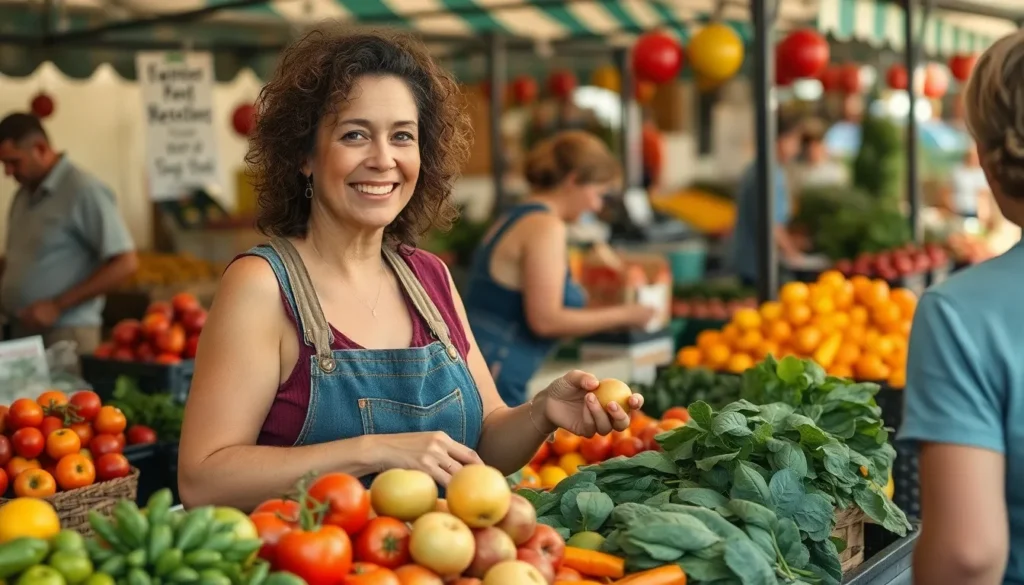

In a world where everything seems to be getting a tech upgrade, it’s time to hit the pause button on our food. Non-GMO foods are like the cool kids at the lunch table, refusing to join the genetically modified crowd. They offer a delicious alternative that’s not just good for you but also for the planet. Who wouldn’t want to munch on something that’s as nature intended?
Choosing non-GMO foods means opting for transparency in what’s on your plate. It’s about making choices that align with a healthier lifestyle while giving a subtle nod to Mother Nature. So, if you’re ready to dive into the world of non-GMO goodies, buckle up! It’s a tasty adventure that promises to keep your taste buds happy and your conscience clear.
Overview of Non-GMO Foods
Non-GMO foods represent a category of products free from genetically modified organisms. Eating these foods supports a natural agricultural approach, emphasizing transparency and informed consumer choices. Various categories include fruits, vegetables, grains, and dairy products, all produced without genetic engineering.
Many consumers choose non-GMO options due to health-related concerns linked to GMOs, such as allergies and the unknown long-term effects of consuming modified organisms. Research shows that individuals who prioritize non-GMO foods often report greater satisfaction in their dietary choices.
Production methods for non-GMO foods focus on traditional breeding techniques, ensuring crops maintain their natural genetic makeup. These methods promote biodiversity, which can enhance soil health and ecosystem resilience. Many brands carry certification labels that verify non-GMO status, guiding consumers in identifying suitable products.
Non-GMO foods also contribute to environmental sustainability. Farming practices often result in reduced pesticide usage and decreased chemical runoff into waterways. Studies indicate that these practices can lead to healthier soil, which in turn fosters stronger ecosystems.
Choosing non-GMO foods aligns with ethical considerations as well. Many consumers feel more connected to the origins of their food when choosing options that prioritize natural processes. This connection not only enhances the dining experience but also promotes a conscious lifestyle.
Benefits of Non-GMO Foods
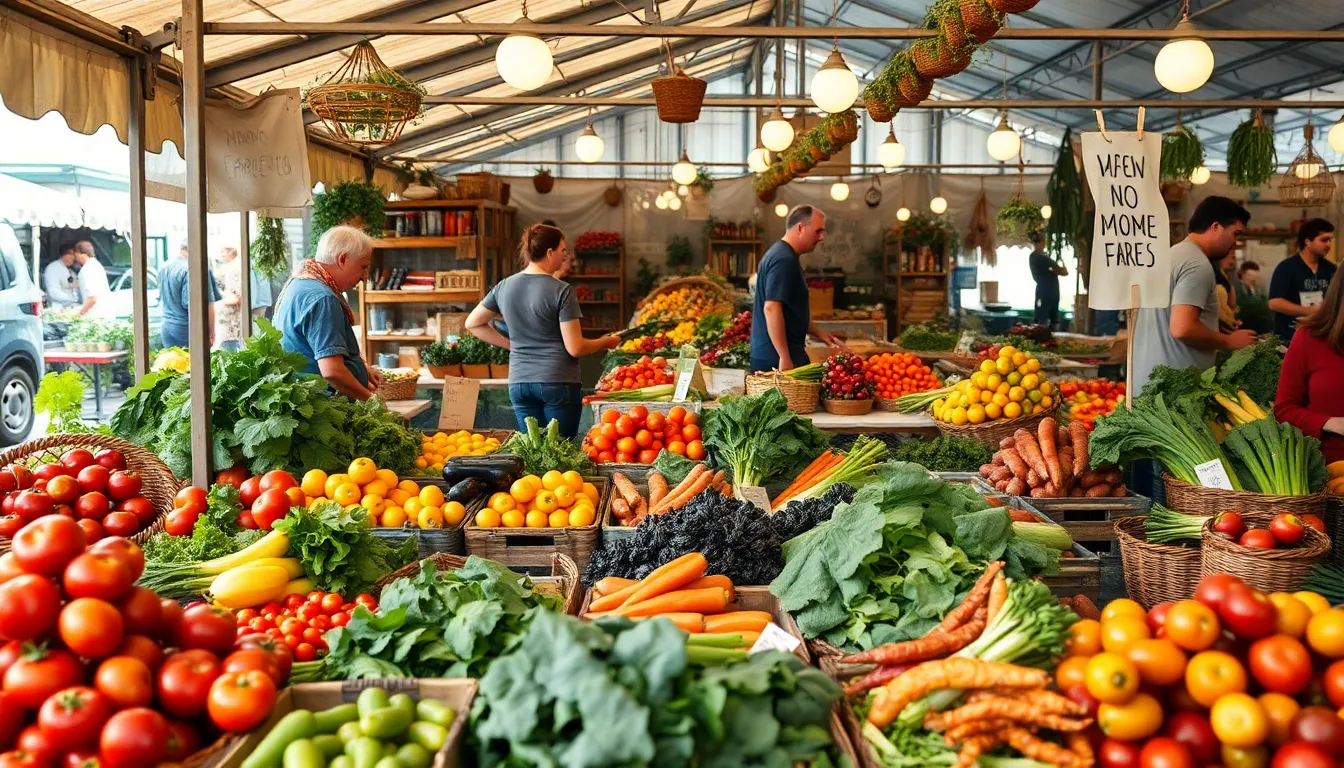
Opting for non-GMO foods offers numerous advantages that contribute to individual health and the environment. These products support a natural lifestyle and resonate with consumers seeking transparency in their food choices.
Health Benefits
Non-GMO foods often present fewer health risks than genetically modified options. Many consumers report reduced allergies and sensitivities when choosing non-GMO products. Research indicates that non-GMO diets may lead to better overall health outcomes due to the absence of synthetic additives. The natural breeding techniques used in non-GMO farming help maintain nutrient levels in foods. Fresh fruits, vegetables, and grains encourage a balanced diet, promoting well-being and vitality.
Environmental Impact
Non-GMO farming practices promote biodiversity, which supports ecosystem stability. Reduced pesticide usage in non-GMO agriculture minimizes chemical runoff, protecting nearby water bodies. Soil health improves through crop rotation and sustainable practices, fostering a resilient agricultural environment. These methods help sustain local habitats and wildlife, creating a balanced ecosystem. Supporting non-GMO options contributes to long-term environmental sustainability.
Non-GMO Certification Process
The non-GMO certification process ensures that food products meet specific standards, promoting transparency and trust in food choices. It involves several key steps, including rigorous testing and documentation.
Understanding Labeling
Labeling of non-GMO foods is crucial for consumer awareness. Products certified as non-GMO display a clear label, often accompanied by the Non-GMO Project Verified seal. This seal indicates that the product has undergone testing and meets the required standards. Consumers should look for this seal to guarantee that the food is free from genetically modified organisms. Familiarity with the label helps individuals make informed choices about their dietary options.
Certification Organizations
Numerous organizations offer certification for non-GMO foods. The Non-GMO Project is a well-known entity, providing the most recognized certification in North America. They require products to undergo rigorous testing and traceability measures. Other organizations, such as USDA Organic, also enforce non-GMO standards within their broader certification. These organizations ensure that consumers can trust the integrity of the products they purchase. Notably, adhering to these certifications promotes the growth of the non-GMO market.
Common Non-GMO Foods
Many popular food categories are often found as non-GMO options. Consumers can easily identify these foods in grocery stores, facilitating healthier choices.
Fruits and Vegetables
Fresh produce commonly includes tomatoes, apples, bananas, and spinach. These fruits and vegetables frequently appear in non-GMO varieties, ensuring consumers enjoy a natural taste. Organic farming practices help maintain their non-GMO status by avoiding the use of genetically modified seeds. In addition, local farmers markets often showcase non-GMO fruits and vegetables, supporting community agriculture. Seeking out these products enhances dietary choices while promoting sustainable farming.
Grains and Legumes
Common grains, like rice, quinoa, oats, and barley, are typically available in non-GMO forms. These food items contribute essential nutrients without genetic modification. Purchasing non-GMO legumes—such as lentils, chickpeas, and kidney beans—offers additional health benefits by steering clear of synthetic additives. Many organic brands focus exclusively on non-GMO grains and legumes, providing reliable options for health-conscious consumers. Exploring these varieties allows individuals to build nutritious meals while supporting environmentally friendly practices.
Choosing non-GMO foods is more than just a dietary preference; it’s a commitment to health and sustainability. By opting for non-GMO products, consumers support farming practices that prioritize biodiversity and environmental health. This conscious choice fosters a deeper connection to food sources and promotes a lifestyle aligned with natural values.
With increasing awareness of the potential risks associated with GMOs, the demand for non-GMO options continues to grow. Embracing this trend not only enhances personal well-being but also contributes to a healthier planet. As consumers become more informed, the non-GMO market will likely expand, offering even more delicious and nutritious choices for everyone.